Scent Door · Concentration guide

Eau de Parfum vs Eau de Toilette vs Extrait: Which Decant to Choose?

Eau de parfum vs eau de toilette is a question about strength, but the label only tells half the story. Here is how each concentration wears, and how to test two side by side.

AuthenticHand decanted5 to 20 mlShips from California

In short

Eau de toilette usually holds less perfume oil than eau de parfum, and extrait or parfum holds the most, but the bands are conventions rather than legal rules. In practice a flanker labeled EDP, Parfum or Elixir is often a reworked scent, so the reliable test is wearing two decants of the same name side by side.

Choose eau de toilette if

you want something bright for daytime, you wear fragrance in the heat, or you like to spray freely and reapply after lunch.

Choose eau de parfum if

you want one fragrance to carry a full workday, you like a fuller heart and base, and three or four sprays suit you.

Choose extrait or parfum if

you want depth that stays close to the skin, one or two sprays are enough, and you would like a small decant to last.

✦
The labels

What is the difference between eau de parfum and eau de toilette?

Mostly the share of perfume oil in the alcohol, and even that is a rough guide.
Hand spraying a full-size perfume bottle printed with the Scent Door logo against a dark background
One fragrance, several strengths
Dilution

The short version of eau de parfum vs eau de toilette is dilution. Every fine fragrance is a blend of aromatic materials carried in alcohol, sometimes with a little water. The French words on the bottle describe, roughly, how much of that blend is aromatic material. An eau de toilette, or EDT, sits lower on the scale. An eau de parfum, or EDP, sits higher, which usually means a fuller scent that takes longer to fade.

Those bands are not legal definitions. The ranges most often quoted, gathered in this summary of perfume dilution classes on Wikipedia, put eau de toilette at around 5 to 15 percent aromatic compounds and eau de parfum at around 15 to 20 percent, with parfum or extrait anywhere from 15 to 30 percent. Sources disagree, and each house sets its own levels. An EDT from one brand can carry more oil than an EDP from another.
Ranges are approximate and vary by house. Spray counts are a starting point, not a rule.
LabelRough aromatic shareHow to startTry it as a decant
Eau de cologne (EDC)About 2 to 3 percentGenerous sprays for a brisk lift that fades fastRare as a true EDC; see the note on “cologne” below
Eau de toilette (EDT)About 5 to 15 percent3 to 4 sprays; daytime and warm weatherTerracotta Eau de Toilette
Eau de parfum (EDP)About 15 to 20 percent2 to 3 sprays; workdays and dinnersNarciso Eau de Parfum Radiante
Parfum or extraitAbout 15 to 30 percent1 to 2 sprays; close to the skin, slow to fadeOlympéa Parfum, Escentric 02 Extrait
Elixir, absolu, intenseNo standard band; each house decides1 spray, then build if neededOlympea Elixir, Bright Crystal Absolu
A map, not a measuring tape

Treat the table as a map, not a measuring tape. The percentages show which direction a label points, and the last column shows where you can try each step on Scent Door. Because every decant is hand poured from the manufacturer’s own bottle, the concentration you receive is the one printed on that bottle. Decanting moves the fragrance into a smaller atomizer; it does not change its strength.

Trade-offs at a glance
Lighter labels: EDC and EDT
Where it shines
Where it falls short
Richer labels: EDP, parfum, extrait
Where it shines
Where it falls short
✦
Beyond EDP

Where do extrait, parfum, elixir and absolu fit?

Above eau de parfum, the names multiply and the rules get looser.

Extrait de parfum, often shortened to extrait, and parfum are two names for the top of the classic ladder. Both signal the richest dilution a house sells of that fragrance, meant to be worn in small amounts. Elixir, absolu, intense and le parfum are newer names. They tell you the house wanted something deeper or more concentrated in feel, but no agreed oil band sits behind any of them.

Extrait

The densest pour of a scent

Usually the highest concentration a house offers. Escentric 02 Extrait shows the word is about strength, not weight: its listing calls it a citrus aromatic, with bergamot, lime and juniper up top.

Parfum

A word with two jobs

Sometimes it marks the classic top concentration; sometimes, as with Olympéa Parfum, it names a version with notes of its own. That listing opens on clary sage and pink pepper.

Elixir

A house’s own idea of deep

Pitched as a richer take, but written fresh each time. Olympea Elixir and Scandal Pour Homme Elixir each carry a complete note list of their own on Scent Door.

Absolu

Same family, new angle

Bright Crystal Absolu keeps the peony, lotus and magnolia heart of Bright Crystal and adds raspberry, according to the two listings.

Read the note lists

The practical takeaway: when two bottles share a name but carry different words after it, read the note lists before you assume one is simply the other turned up. The Scent Door listings we checked print top, middle and base notes for each version, which makes that check quick. Ingredient safety limits for all of these, whatever the concentration, are published by IFRA, the International Fragrance Association.

✦
Longevity

Does a higher concentration always last longer?

Usually, but the ingredients matter as much as the percentage.

More aromatic material in the same amount of alcohol generally means more scent left on skin after the alcohol evaporates, so the EDP of a given fragrance tends to outlast its EDT. That holds when you compare like with like. Across different fragrances, what a scent is made of decides wear time more than the word on the label.

Perfumers describe a fragrance in top, heart and base notes.

Leaves first

Bright top notes

Bright citrus such as bergamot, lime and grapefruit is volatile and leaves the skin first, whatever the concentration.

Stays longest

Base notes

Resins, vanilla, musks, woods and ambery materials evaporate slowly and anchor the drydown.

“
A citrus extrait can therefore fade sooner than a vanilla-rich eau de toilette, even though the extrait carries more oil.

Your skin, the weather and the number of sprays shift the result again.

What really sets wear time

The base notes

Vanilla, musk, woods and resins hold on longest.

The opening

Citrus-led scents leave first at any strength.

Your skin and the day

Warmth, humidity and skin type all shift results.

Where you spray

Skin and fabric hold fragrance differently.

✦
Flankers

Is a ‘Le Parfum’ just a stronger version of the original?

Not necessarily. The Terracotta pair on Scent Door shows why.

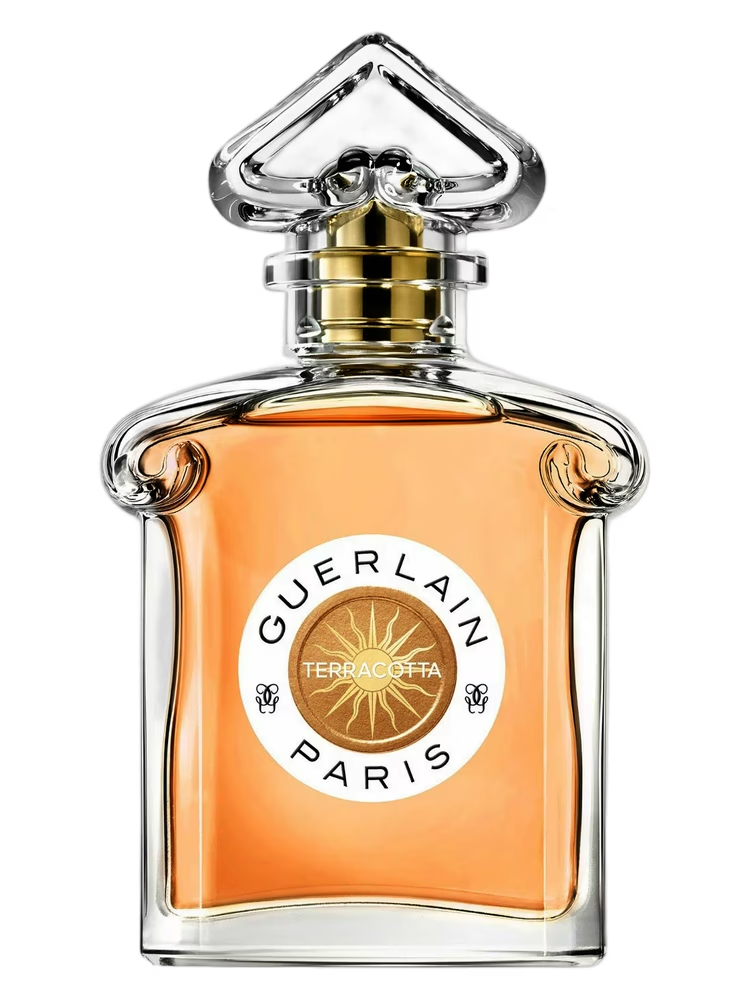
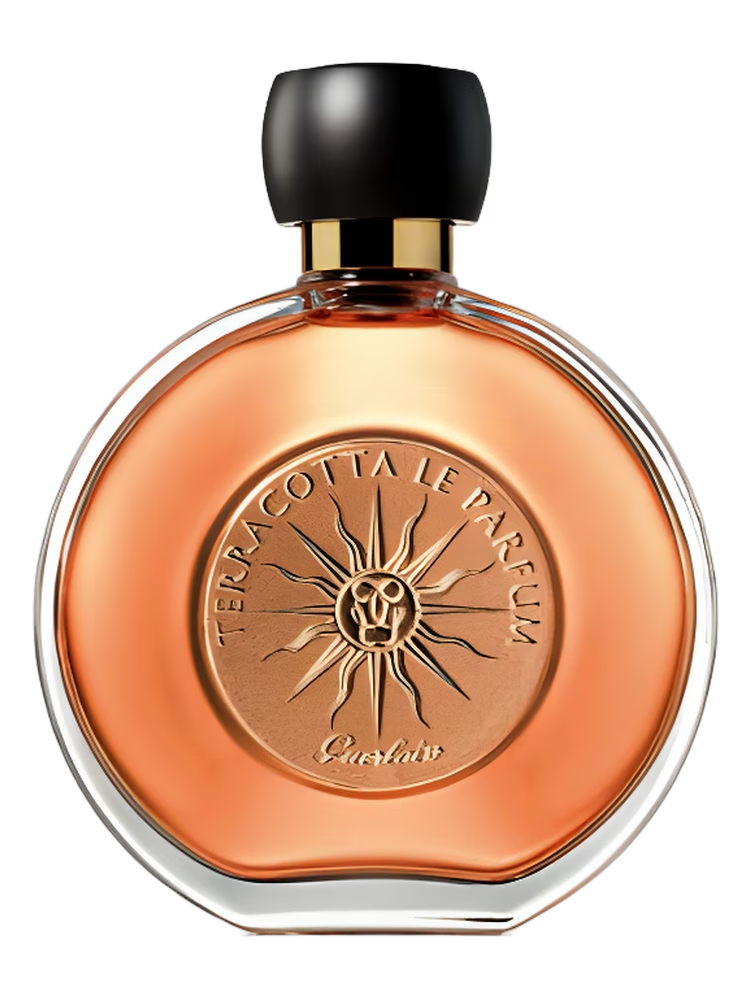
Guerlain’s Terracotta comes in two versions on Scent Door, and their listings make a useful case study.

Guerlain Terracotta Eau de Toilette in a tall bell-shaped glass bottle with an orange tint and a round sun-emblem label, on a black background
Terracotta Eau de Toilette
Listed as oriental floral, 2024

Terracotta Eau de Toilette is listed as an oriental floral launched in 2024, opening on coconut and bergamot over tiare, ylang ylang, jasmine and orange blossom, with vanilla and musk at the base.

Listed as floral, 2014

Terracotta Le Parfum is listed as a floral launched in 2014, with tiare flower, coconut and bergamot up top and the same jasmine, ylang-ylang, orange blossom, vanilla and musk below.

Guerlain Terracotta Le Parfum in a round amber-tinted bottle with an embossed bronze sun medallion and a black cap
Terracotta Le Parfum
Two details stand out
Detail one

The dates

First, the dates run the opposite way to the usual assumption: by its listing, Le Parfum arrived ten years before the eau de toilette, so the EDT is not an original that was later turned up.

Detail two

The families

Second, the listings file them under different families. The shared notes tell you both belong to one sunlit theme, but the separate classifications and release dates point to two distinct products rather than one recipe at two strengths.

A common pattern

That pattern is common. Houses often adjust a formula when they release a new concentration, nudging the opening brighter for a lighter version or the base deeper for a richer one, and some versions share little beyond a name. Our notes on Baccarat Rouge 540 EDP and Extrait walk through another well-known example.

✦
Side by side

How do Scent Door’s paired concentrations compare?

Several fragrances in the catalogue come in more than one version. Here is what their listings say.

The table pairs versions that share a name on the site. The family and launch year come from each product listing, and the tier is the shop category the listing sits in. Read across a row to see how far apart two bottles with the same name can be.

PairWhat the listings sayWhat changesTier
Terracotta Eau de Toilette vs Terracotta Le ParfumOriental floral (2024) vs floral (2014); tiare, coconut, jasmine and vanilla in bothFamily label and release date; the core notes overlapRegular vs Luxury
Olympéa Parfum vs Olympea ElixirFloral (2024) vs oriental floral (2026)Parfum leads with clary sage, pink pepper and a green accord; Elixir with pineapple, coconut milk and bergamot, plus monoi and solar notesBoth Regular
Bright Crystal vs Bright Crystal AbsoluBoth floral fruity; 2006 vs 2013Absolu adds raspberry and water notes; the musk, mahogany and amber base staysBoth Regular
L’Homme Idéal Cologne Forte vs L’Homme Idéal Platine PrivéMen’s fragrances; 2025 vs 2023Cologne Forte adds lemon peel, cinnamon, vanillin and incense; Platine Privé leans on neroli and muskBoth Regular
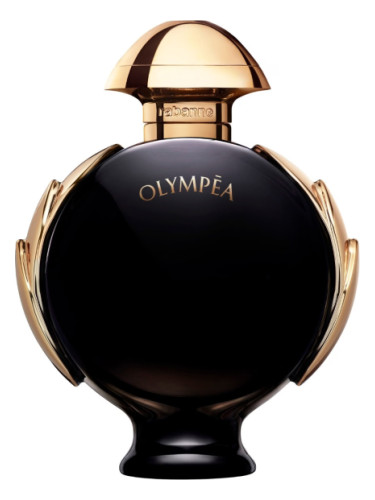
Rabanne Olympéa Parfum in a black glass bottle with gold laurel-leaf shoulders and a domed gold cap, on white
Olympéa Parfum
Two lessons

Two lessons come out of this. A richer-sounding word does not guarantee a stronger copy of the same scent: every pair above shows at least some difference in its note list, and the Olympéa pair barely overlaps beyond jasmine, vanilla and benzoin. And the tier column shows that the label does not set the price on its own, which the price section below explains.

✦
At home

How should you test two concentrations side by side?

One version on each wrist, the same day, and some patience.
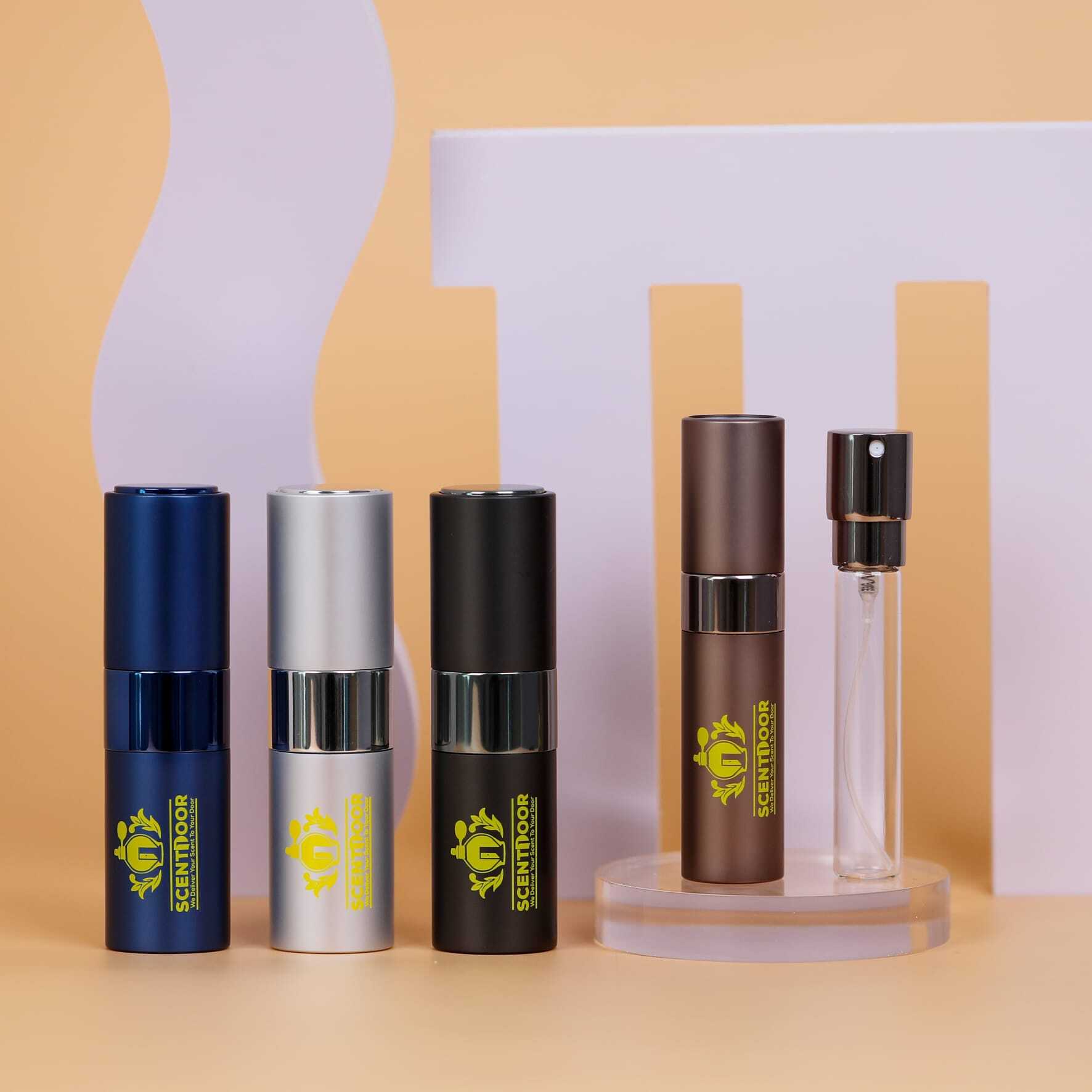
Four Scent Door twist-up aluminum atomizers in navy, silver, black and bronze beside a clear glass inner vial
Twist-up aluminum atomizers
Before you start

Comparing two versions of one scent is the most useful job a pair of small decants can do. You stop guessing whether the richer version is worth it, and you learn whether the two even smell alike on you. Pick a calm day with no other fragrance, scented lotion or strong shower gel competing for attention.

i.

Apply the same way

Spray one version on the inside of your left wrist and the other on your right, with the same number of sprays from the same distance. Write down which is which.

ii.

Check three times

Smell each wrist after about thirty minutes, again two hours in, and once more near the six-hour mark. Note what reaches you first, how loud it is, and whether its character has shifted.

iii.

Swap and repeat

Switch sides the next day. Left and right skin are rarely identical, so a second round tells you whether the difference came from the fragrance or from you.

Keep your wrists apart rather than rubbing them together, which warms the skin and rushes the opening.

Both faint by evening

A bigger opening

If one version seems louder in the first hour but both are faint by evening, a bigger opening may be all the richer label adds.

One still there

Real staying power

If one is still clearly there after the other has gone, you have found real staying power.

How much you need

A 5 ml decant of each is plenty for several rounds.

✦
Occasions

Which concentration suits hot weather, offices and evenings?

Match the strength to the setting rather than to the price or the label.
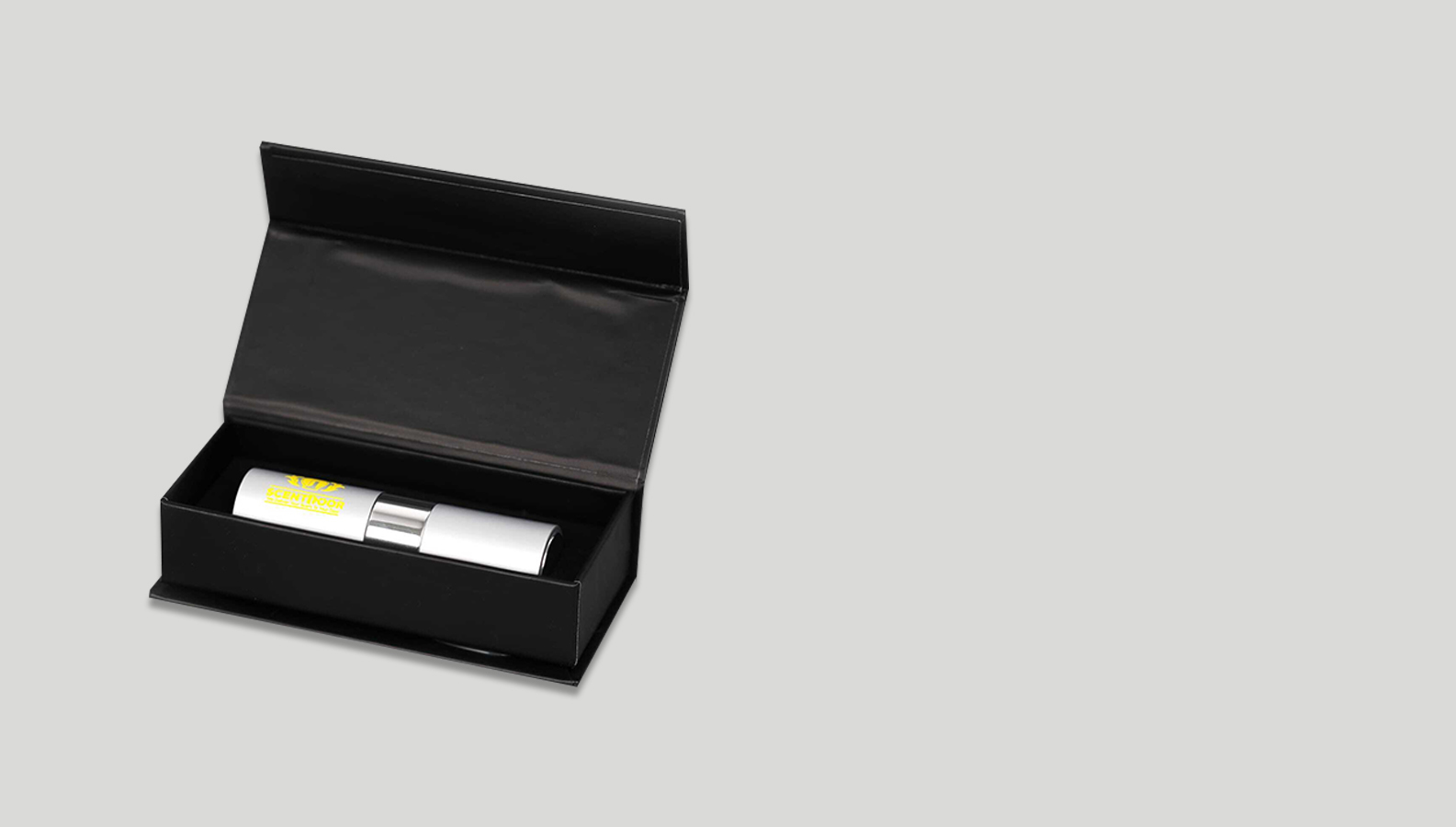
A white Scent Door atomizer resting in an open black magnetic case on a grey background
A decant to carry and reapply
Setting first

Heat makes fragrance evaporate and radiate faster, so a strong scent can feel twice as loud on a hot afternoon. Close quarters work the same way: in an office, a meeting room or a car, a little goes a long way. Evenings give you more room, because the air is often cooler and the occasion invites something richer.

Heat

Hot days and summer travel

Reach for an eau de toilette or a citrus-led scent at any strength, spray lightly, and carry the decant to reapply. Two light rounds wear better in heat than one heavy one.

Pick: EDT, about 3 sprays

Work

Offices and shared spaces

An eau de parfum worn with restraint lasts the day without filling the room. Aim it at skin under clothing, such as the chest, so it reaches you more than your neighbors.

Pick: EDP, 2 sprays

Night

Dinners and evenings out

This is where parfum, extrait and elixir versions earn their place. One or two sprays give a warm, close trail that carries on until late.

Pick: extrait, 1 to 2 sprays

None of this is a rule. A fresh extrait such as Escentric 02 Extrait can work on a warm day in a single spray, while a sweet eau de toilette can feel heavy in July.

“
Let the notes guide you as much as the label does.
✦
Sizing

Does concentration change which decant size to buy?

Yes. The richer the version, the fewer sprays you need, so a smaller fill lasts longer.

Every fragrance at Scent Door comes in the same five fills, from 5 ml (listed as 0.16 oz) to 20 ml (listed as 0.67 oz). The concentration you choose changes how far each milliliter goes. If one or two sprays of an extrait replace four of an eau de toilette, the same bottle lasts roughly twice as long, or longer.

5

Fills for every fragrance

5 ml

Smallest fill · 0.16 oz

20 ml

Largest fill · 0.67 oz

That points to a simple rule

An extrait you like

For an extrait or parfum you already like, a 5 ml or 8 ml decant covers plenty of evenings.

A daily eau de toilette

For an eau de toilette you wear daily and reapply, a 10 ml or 15 ml fill makes more sense.

The two-version test

For the two-version test above, start with two 5 ml decants and size up on the winner.

Our guide to decant sizes lays out every fill with ounces and example prices.

✦
Price

Does concentration change the price of a decant?

On Scent Door, the price follows the listing’s tier, not the word on the label.

Scent Door sorts its fragrances into shop tiers, including Luxury and Regular. At the time of writing, on the listings we checked, Regular-tier decants ran from $9.99 to $49.99 and Luxury-tier decants from $19.99 to $64.99, from a 5 ml plastic bottle at the low end to a 20 ml aluminum-glass atomizer at the top. Each fragrance is priced on its own and prices can change, so treat each listing as the final word.

$9.99–$49.99

Regular tier · listings checked

$19.99–$64.99

Luxury tier · listings checked

$14.99

Terracotta EDT · 5 ml aluminum-glass

The Terracotta pair shows how this plays out
Regular tier

Terracotta Eau de Toilette

Terracotta Eau de Toilette sits in the Regular tier; on its listing on October 31, 2026, the aluminum-glass bottle cost $14.99 for 5 ml and $49.99 for 20 ml, with plastic from $9.99.

Luxury tier

Terracotta Le Parfum

Terracotta Le Parfum sits in the Luxury tier.

Same tier, richer label

Yet Olympéa Parfum and Olympea Elixir share the Regular tier, as do Bright Crystal and its Absolu, while Escentric 02 Extrait is listed as Luxury.

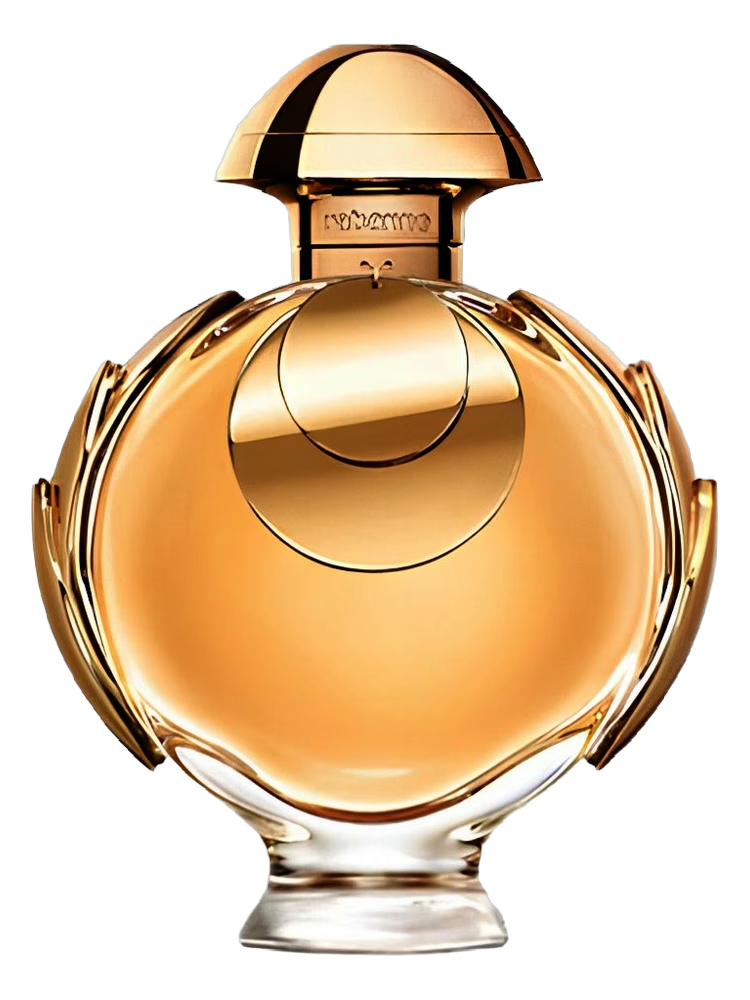
Rabanne Olympea Elixir bottle in warm gold glass with a circular gold medallion and laurel-leaf shoulders, on black
Olympea Elixir
Check the tier

A richer label sometimes costs more and sometimes does not, so check the tier on each listing before you assume.

✦
Cologne

What about eau de cologne and ‘cologne’ on men’s bottles?

The classic dilution

Eau de cologne

Eau de cologne is the lightest classic dilution, at roughly 2 to 3 percent aromatic material, built for a brisk splash that fades quickly.

Everyday American English

“Cologne” on a label

In everyday American English, though, people call any men’s fragrance “cologne”, whatever its strength. A name like L’Homme Idéal Cologne Forte uses the word inside a product name, so on its own it says little about oil content.

Our guide to cologne vs perfume covers the men’s, women’s and unisex side of the question.

Same fragrance, smaller

Whichever label you lean toward, every Scent Door decant is genuine fragrance, poured by hand from the manufacturer’s own bottle, so the version you test is the version on the full-size shelf. Start with the Terracotta pair among our Guerlain decants, or look through the shop for a scent you already know and see which versions are listed.

✦
✦
Questions

Eau de parfum vs eau de toilette: your questions

Within one fragrance line, an eau de parfum usually carries more aromatic oil than the eau de toilette. Across brands, not always: each house sets its own levels, so one brand’s EDT can be richer than another’s EDP. The two versions may also be different formulas, which affects strength as much as dilution does.

Extrait de parfum, or simply extrait, is French for perfume extract. It names the most concentrated version a house makes, commonly cited at roughly 15 to 30 percent aromatic compounds, though no legal standard exists. Expect a dense, close-wearing scent where one or two sprays are enough for most occasions.

No. Parfum is a traditional concentration term, while elixir is a marketing name with no agreed strength behind it. Houses use elixir for a version they want to feel deeper or richer, and it is often a new composition. Olympea Elixir and Olympéa Parfum, for instance, have quite different note lists on their listings.

Yes, and often noticeably. Houses tune each version separately, brightening the opening of a lighter one or deepening the base of a richer one. On Scent Door, Terracotta Eau de Toilette and Terracotta Le Parfum share many notes, yet their listings give different fragrance families and launch years a decade apart.

For the same fragrance, the EDP usually lasts longer because more aromatic material stays behind once the alcohol evaporates. Between different fragrances, ingredients matter more: a vanilla or woody EDT can outlast a citrus-led EDP. Skin, weather and the number of sprays all shift the result, so test both on yourself.

Usually, yes. Start with one spray of an extrait, or two at most, and wait twenty minutes before adding more. Richer versions build slowly and can seem louder to people around you than to you. Fewer sprays also stretch a small decant, so a 5 ml or 8 ml fill covers many wears.

Often, because heat makes fragrance radiate faster and a lighter dilution is easier to control. Bright citrus or aromatic scents suit summer at any strength. If you love a richer version, wear a single spray on skin under clothing in the heat, and carry a decant to top up later instead of overspraying early.

On Scent Door, Terracotta Eau de Toilette is in the Regular tier and Terracotta Le Parfum is in the Luxury tier, so the two sit in different price tiers on the site. The price follows the tier shown on each listing, not the concentration word, and some Parfum and Elixir versions share the Regular tier with their siblings.

Order a 5 ml decant of each version. On a fragrance-free day, put one on each wrist with matching sprays and label them. Revisit both at intervals through the day, noting loudness and character each time. The following day, reverse the wrists, so you know the difference comes from the fragrance and not from your skin.

Not necessarily. Richer versions often wear closer to the skin, while a lighter eau de toilette can feel airier and fill a space briefly. Projection depends on the materials too: some woody and ambery notes radiate strongly at any dilution. If you want a fragrance that carries, test how a version behaves on you rather than trusting the label.

Begin

Try both versions. Keep the one that wins.

Two versions of one scent, poured from the original bottles into 5 to 20 ml atomizers.

Scent Door · Authentic decants · Ships from California