

Niche vs designer fragrance is less about snobbery than fit. Here is how the two differ, how Scent Door prices each, and which decants make a sensible first order.
100% authenticNiche & designerLuxury & RegularTry before a bottle
Designer fragrances come from fashion and beauty houses and are built for wide appeal, while niche fragrances come from perfume-first houses that take more creative risks. At Scent Door, decants sit in two price tiers, Luxury and Regular, and sampling one of each is the cheapest way to learn which side of the line your taste falls on.
you are new to fragrance, want something easy to wear to work, or would rather spend less while you learn what you like.
familiar scents bore you, you are curious about leather, oud or big white florals, or you already know a designer favorite inside out.
| Point | Designer | Niche |
|---|---|---|
| Who makes it | Fashion and beauty houses, for whom perfume is one line among clothes, makeup or accessories | Houses whose main business is fragrance, often with a small range and a strong point of view |
| Typical style | Polished and easy to like, tuned for a wide audience | More personal, sometimes challenging, freer with unusual materials |
| Scent Door tier | Regular ($9.99 to $49.99) on most listings we checked, with some in Luxury | Luxury ($19.99 to $64.99) on every niche listing we checked |
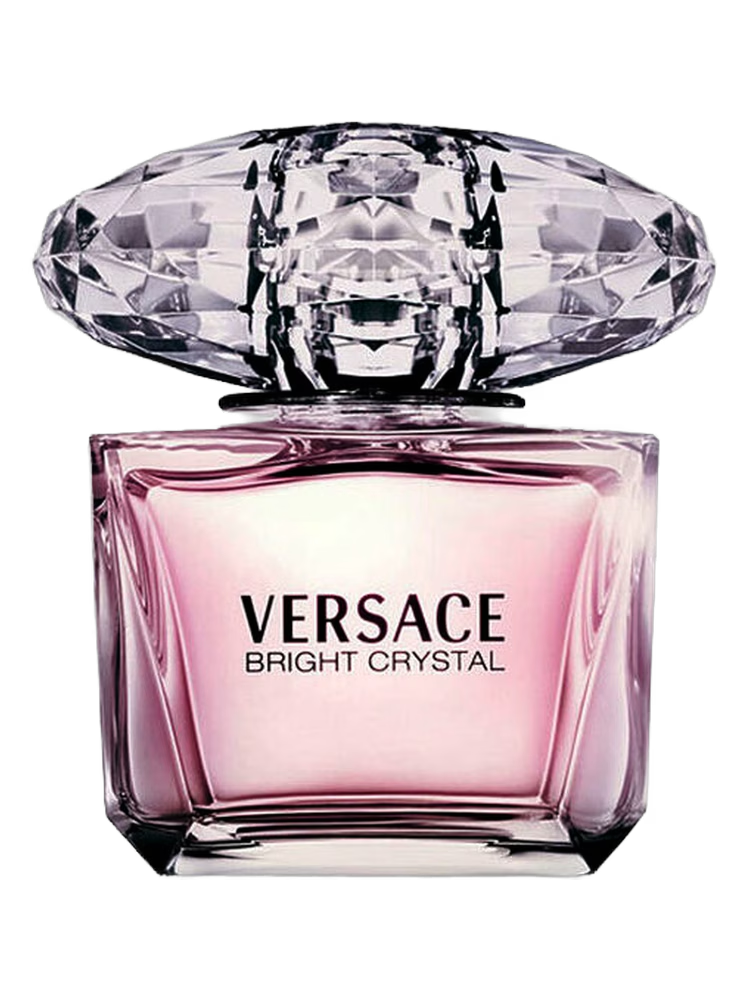
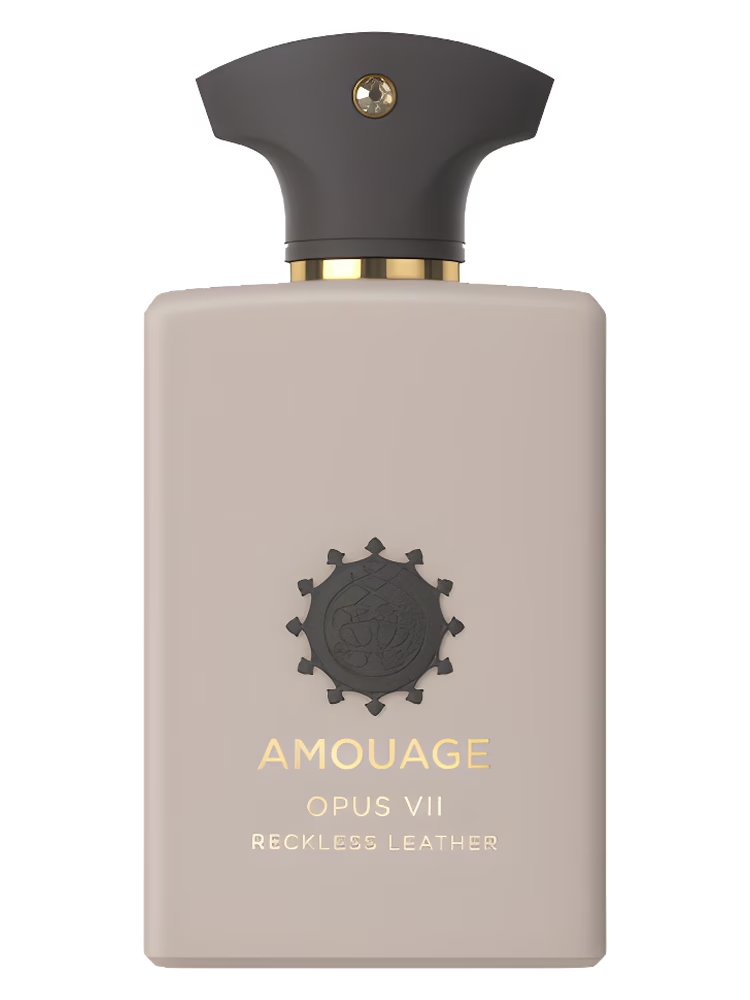
| Example decant | Bright Crystal by Versace, Regular tier | Opus VII – Reckless Leather by Amouage, Luxury tier |
| Who it suits | Beginners, office wear, gifts for an unknown taste | Explorers, collectors, anyone bored by the familiar |
Price spans were read on October 31, 2026 and vary by fragrance. The rest of this guide unpacks each row, starting with the simplest question of all: who actually made the perfume.
The niche vs designer fragrance question starts with the maker. A designer fragrance is released by a fashion or beauty house, a company known first for clothes, cosmetics or accessories, which treats perfume as one part of a much larger brand. On Scent Door you will find designer names such as Versace, Lancôme, Paco Rabanne, Givenchy and Dolce & Gabbana.
A niche fragrance comes from a house whose main craft is perfume. These houses tend to launch fewer scents, lean less on mass advertising and give perfumers room to build around a single idea, material or mood. Niche names on the shop include Amouage, Frederic Malle, Byredo, MEMO and BDK Parfums.
Neither word is a legal term or a stamp of quality. Both describe a business model more than a smell, and the line blurs: some designer houses keep exclusive collections that behave like niche releases, and some niche houses grow big enough to feel mainstream. What counts on your skin is the composition itself, which is why wearing a decant tells you more than any label. For a house-by-house tour of the perfume-first names, see our guide to the best niche perfume brands.
Every decant on Scent Door sits in shop categories, and two of them work as price tiers. On the listings we checked on October 31, 2026, decants in the Luxury tier ran from $19.99 to $64.99, and decants in the Regular tier ran from $9.99 to $49.99. In both bands the low end is a 5 ml plastic bottle and the high end is a 20 ml aluminum-glass atomizer. Each fragrance carries its own price and those prices can move, so treat the listing as the final word.
Luxury from · 5 ml plastic
Luxury to · 20 ml atomizer
Regular from · 5 ml plastic
Regular to · 20 ml atomizer
Here is the nuance worth knowing: the tier follows the fragrance, not the type of house. Every niche listing we looked at, from Byredo to MEMO to Amouage, sat in Luxury. Yet several designer releases sit there too. Y Iced Cologne by Yves Saint Laurent and Vetiver by Dior are both Luxury listings. A single house can even straddle the line, as Guerlain does.
| Fragrance | House | Tier | What it shows |
|---|---|---|---|
| Bright Crystal | Versace | Regular | Designer house in the lower band |
| Y Iced Cologne | Yves Saint Laurent | Luxury | Designer house in the higher band |
| Vetiver | Christian Dior | Luxury | A designer collection line priced like niche |
| Tabac Sahara | Guerlain | Luxury | One house, higher band |
| L’Homme Idéal Platine Privé | Guerlain | Regular | The same house, lower band |
| Opus VII – Reckless Leather | Amouage | Luxury | Niche house in the higher band |
So read the tiers as a price guide, not a verdict on style. Browse Luxury expecting only daring niche work and you will also meet polished designer releases. Browse Regular expecting only safe, mainstream scents and you may find more character than you bargained for, because a well-made designer fragrance can carry plenty of it.
Two listings make a useful yardstick. At the time of writing, comparing the Aventus Cologne listing (Luxury) with the Terracotta Eau de Toilette listing (Regular), the same fill in the aluminum-glass atomizer cost $10 more in Luxury at 5, 8 and 10 ml, and $15 more at 15 and 20 ml. These are examples from October 31, 2026; prices vary by fragrance.
| Size | Luxury example | Regular example | Gap |
|---|---|---|---|
| 5 ml | $24.99 | $14.99 | $10.00 |
| 8 ml | $29.99 | $19.99 | $10.00 |
| 10 ml | $39.99 | $29.99 | $10.00 |
| 15 ml | $49.99 | $34.99 | $15.00 |
| 20 ml | $64.99 | $49.99 | $15.00 |
Picture what each spray really costs you: a $39.99 Luxury 10 ml you reach for three mornings a week is better value than a $29.99 Regular 10 ml that sits in a drawer after two outings. Per milliliter those two examples come to roughly $4.00 and $3.00, yet the figure that truly matters is how much of the liquid ends up on your skin.
Niche earns its premium when it gives you something your collection lacks: a material, a mood or a structure no designer scent you own already covers. It is harder to justify when the niche pick smells close to a designer bottle on your shelf. That is exactly the side-by-side a pair of 5 ml decants lets you run before the bigger money comes in.
If you are just starting, a designer decant gives you a clear reference point. Most designer releases are built around a recognizable profile, which makes it easier to say what you like and what you do not.
Take Bright Crystal by Versace: its listing describes a floral fruity fragrance for women with yuzu, pomegranate and ice up top, peony, lotus and magnolia in the heart, and musk, mahogany and amber underneath. That is a tidy lesson in how a bright, fruity opening settles into a soft floral finish.
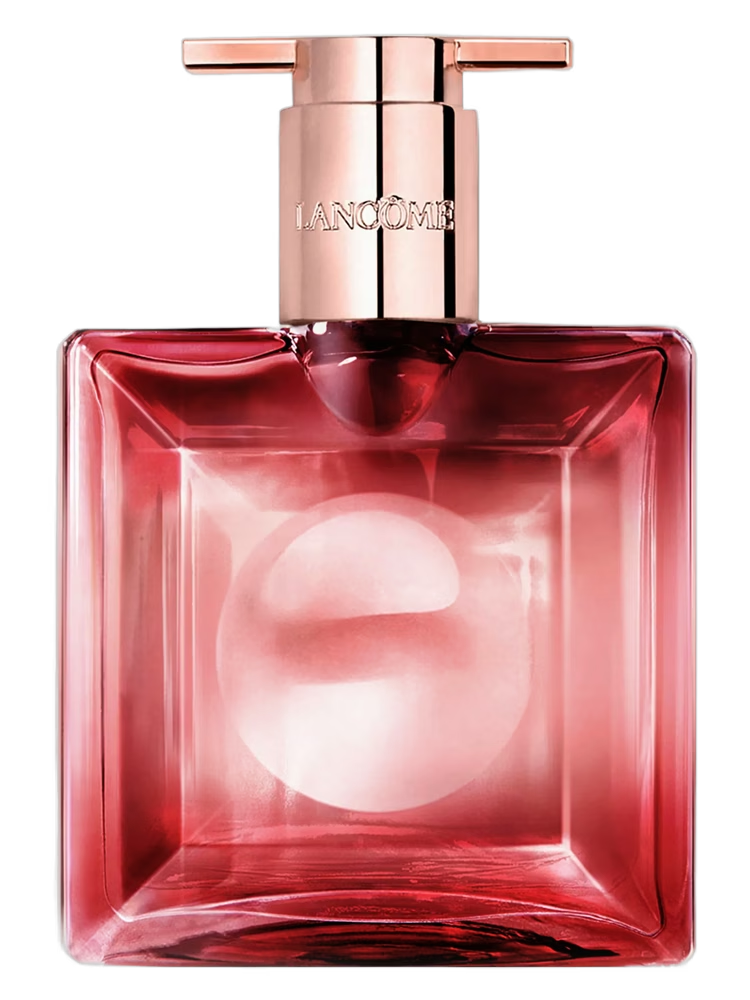
Idôle Power by Lancôme, launched in 2024 according to its listing, is simpler still on paper: apple on top, May rose in the middle, sandalwood at the base. Three notes, one clear arc. Wearing a scent like that for a few days shows whether you lean fruity, floral or woody without a crowded note list getting in the way.
There are practical reasons too. Designer scents are generally made to sit comfortably in offices, classrooms and shared rides, and both of these examples are Regular listings, so a first order costs less. Learning your preferences in the lower band means that when you do move up to Luxury, you spend that money with a far better sense of direction.
Niche houses are free to build a whole perfume around something polarizing. Opus VII – Reckless Leather by Amouage is a good example. Its Scent Door listing calls it a leather fragrance for women and men, and the note list includes fenugreek, galbanum, cardamom, pink pepper and nutmeg up top, leather, agarwood (oud), ambergris and patchouli at its heart, and olibanum, sandalwood, costus and musk in the base. Spicy fenugreek and earthy costus are the kind of notes that give a niche scent its edge.
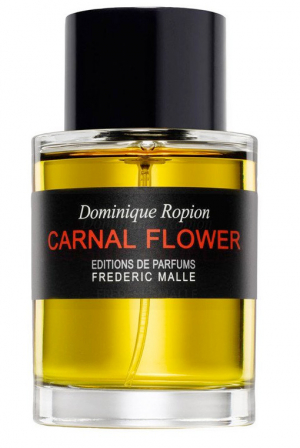
Carnal Flower by Frederic Malle takes the opposite road: one flower, pushed as far as it will go. Its listing explains that perfumer Dominique Ropion built it around tuberose and that it was created in 2005, with bergamot, melon and eucalyptus over a heart of ylang-ylang, jasmine and tuberose, and a drydown of tuberose absolute, orange blossom absolute, coconut and musk. It is a study of a single material rather than a blend designed to please everyone.
A niche scent can feel thrilling on the first spray and too much by the third day, or it can start awkward and win you over. Paying for a 5 ml decant first is how you learn which kind of reaction you have, long before a full bottle enters the picture.
Decants to start
From the Regular tier
From the Luxury tier
Balanced plan · example cost
A useful starting point for many beginners is five decants: three from Regular and two from Luxury. The three designer-led picks map out what you already find easy to like, and the two Luxury picks test whether a bolder style pulls you further. If both feel like too much, you have avoided an expensive bottle and learned something specific. If one becomes the scent you grab first each morning, you know where to explore next.
| Plan | Mix | Example cost | Best for |
|---|---|---|---|
| All designer | 5 Regular | $74.95 | Building basic preferences on the smallest budget |
| Balanced | 3 Regular + 2 Luxury | $94.95 | Most first orders |
| Niche-curious | 2 Regular + 3 Luxury | $104.95 | People who already wear one designer favorite |
| All niche | 5 Luxury | $124.95 | Confident explorers chasing bold materials |
The example costs use the 5 ml aluminum-glass prices from the two listings in the value table, as seen on October 31, 2026. Your total will depend on the fragrances you choose, and the 5 ml plastic bottle, where a listing offers it, brings each line lower. Whatever the mix, pick from more than one family, say one citrus, one floral and one woody, so you learn about style as well as tier. Our guide to fragrance families makes that part easy.
Some designer houses run two kinds of perfume at once: the widely sold flagships you see advertised, and smaller, pricier collections aimed at people who already love fragrance. These lines often center on one raw material and sit at a higher price than the flagships.
Dior’s Vetiver is a clear case on Scent Door. Its listing places it in La Collection Couturier Parfumeur, describes it as a woody fragrance for men built on vetiver and coffee, and dates it to 2010, and it sits in the Luxury tier.
The reverse happens as well: a niche house can release a scent so approachable that it wears like a designer favorite. That is why the label alone is a weak guide.
A better habit is to ask two questions of any decant. Does the composition feel familiar or unusual to you? And is the price worth it for how often you will wear it? Those answers hold up whichever side of the line a house sits on.
A fair test pits like against like. Setting a sheer citrus cologne against a dense oud tells you only that they differ. Instead, choose a designer and a niche decant from the same family, two woody scents or two florals, at a similar concentration where you can. Labels such as eau de parfum and eau de toilette describe approximate strength bands rather than fixed recipes, as this overview of perfume concentration on Wikipedia shows, and our EDP vs EDT comparison explains what that means for a decant.
Pick one designer and one niche decant that share a family, so the house is the main thing that changes between them.
Wear each on a comparable kind of day, applied in an identical way, so weather and routine do not quietly tip the result.
Ask someone you trust to smell both on your skin without saying which is which, then set their choice beside yours.
Keep short notes as you go: the first few minutes, the middle of the day, the evening, and whether you missed the scent the morning after. If the designer decant wins, you have found a lower-cost favorite. If the niche one wins on every count, the extra spend now has a real reason behind it.
If you know their signature style, choose the decant that matches it, whatever its tier. For an unknown taste, a Regular designer pick is the safer opener, with one Luxury decant tucked in as a surprise.
Small decants suit trips, so bring the one you would miss most. A practical pairing is a dependable designer scent for daytime and a niche decant saved for an evening out.
Everyday wear favors whatever you reach for without thinking. If that turns out to be a Regular scent, buy it larger with a clear conscience, and keep Luxury for scents that make a day feel different.
Whichever tier you choose for an occasion, the liquid inside is genuine perfume. Scent Door states that everything it shows is 100% original, genuine designer fragrance and rules out imitations and knock-offs entirely, and its brands come from the manufacturing companies in countries such as France, Italy, England, Spain and the USA. A Regular decant is not a lesser version of anything; it is simply a different fragrance at a different price.
There are three easy ways in. Open the Luxury tier to see the higher price band, where niche houses sit alongside designer exclusives. Open the Regular tier for the lower band, largely designer releases at friendlier prices. Or start from all brands and pick a house you are curious about; each brand has its own page on the shop, such as Amouage or Versace, gathering its decants in one place.
Begin where mistakes are cheapest and preferences form fastest, with one bolder scent for contrast.
Pick: three Regular, two Luxury
Find its family, then try a Luxury decant from that same family to hear what a different house does with it.
Pick: one Luxury in your family
Go straight to bold materials such as leather, oud or tuberose, and keep one Regular scent as your control.
Pick: four Luxury, one Regular
Whichever route you take, the aim is the same: find out where your own taste sits in the niche vs designer fragrance debate before you spend on a full bottle. A handful of decants answers that far more honestly than a price tag or a label ever could.
The company behind it. A niche fragrance is made by a house that exists mainly to create perfume, while a designer fragrance comes from a fashion or beauty label that also sells clothing, makeup or accessories. Neither term is regulated, so the category describes the maker’s business, not a promise about quality or longevity.
No. Luxury is a price band, not a style badge. Alongside perfume-first houses such as Byredo and Amouage, it includes designer releases such as Yves Saint Laurent’s Y Iced Cologne and Dior’s Vetiver. Check the house name on each listing if you specifically want niche work rather than a premium designer scent.
The tier follows each fragrance’s price band rather than the type of house that made it. Designer houses often price their exclusive or collection lines above their flagship scents, and those releases land in Luxury. Dior’s Vetiver, from La Collection Couturier Parfumeur, is one example you can find on the shop.
Often, yes. Designer scents tend to have clear, easy-to-read profiles, so you learn quickly whether you prefer fruity, floral, fresh or woody styles. Most designer listings we checked also sit in the lower Regular band. Adding one niche decant alongside them gives you a useful point of contrast from day one.
Five is a comfortable number: roughly three designer-led Regular picks and two Luxury picks. That gives you enough range to spot a pattern without rushing from one scent to the next. If you already know your favorite family, flip the ratio and let niche take three of the five places.
Many do. Niche simply means perfume-first, not loud. Soft musky or woody niche scents can sit comfortably at a desk, while heavy leather, oud or tuberose compositions may suit evenings better. Test any candidate on a weekend first and apply lightly, one or two sprays, before wearing it to work.
Generally, yes. Designer fragrances are sold widely and promoted heavily, so more people have smelled them and may recognize a popular one on you. Some wearers enjoy that familiarity; others choose niche precisely because fewer people will place it. Neither choice is better, it depends on what you want from your perfume.
As of October 31, 2026, the listings we checked priced Luxury decants from $19.99 to $64.99 and Regular decants from $9.99 to $49.99. Comparing one example listing from each tier, the gap was $10 per decant at 5 to 10 ml and $15 at 15 and 20 ml. Prices vary by listing.
Yes. Many fashion houses keep exclusive collections with fewer launches, more focused compositions and higher prices than their mainstream lines. These behave much like niche perfumes even though a designer name is on the bottle. On Scent Door, such releases can appear in the Luxury tier, as Dior’s Vetiver does.
Choose two decants from the same fragrance family and, ideally, a similar concentration. Give each its own day in similar weather and routine, sprayed the same way. Note how each smells early, midday and at night, and ask a friend which they prefer without revealing which house made it.
Authentic niche and designer decants in Luxury and Regular tiers, so the label never has to make the choice for you.
Scent Door · Niche & designer · 100% authentic