

Fragrance Families Explained: Find the Scent Style You Love
Ask five friends to describe a perfume they love and you will hear five private vocabularies: clean, cozy, expensive, like a garden, like a library. Fragrance families replace those guesses with a short shared list of words, so one scent you adore can point you straight to the next one worth trying.
Quick answer: Fragrance families group perfumes by their dominant character: floral, amber (once called oriental), woody, fresh (citrus, green, aquatic), fougère, chypre, leather and gourmand. Many perfumes blend two families. Knowing the families you like lets you shortlist decants with far fewer misses.
This guide walks through each family in plain terms, shows how those labels appear on real Scent Door listings, and finishes with a one-week test you can run on your own skin.
What are fragrance families?
A fragrance family is a group of perfumes that share the same overall impression. The grouping is based on what you notice first and remember longest, not on a single ingredient. A rose perfume with a little vanilla is still a floral; a vanilla perfume with a little rose is something else.
The best-known way to picture this is the fragrance wheel, a circular chart associated with the fragrance consultant Michael Edwards. It sets out four main families, floral, amber, woody and fresh, and splits each one into smaller subfamilies. Families that sit next to each other on the circle share traits, which is why a soft floral can drift toward amber and a dry wood can drift toward fresh.
Other systems pull certain styles out as families of their own. Fougère, chypre, leather and gourmand appear as separate groups in many shop descriptions and perfume guides, which is why one source counts four families and another counts eight. Neither is wrong. They are simply drawing the borders in different places.
- Floral — perfumes centered on flowers, from dewy and light to creamy and heady
- Amber — warm resins, vanilla, balsams and spice; the family long called oriental
- Woody — sandalwood, cedar, vetiver, patchouli and oud
- Fresh — citrus, green and aquatic scents, often lifted with herbs
- Fougère — lavender over a hay-like, tonka-style base
- Chypre — bright bergamot against a dry, mossy base
- Leather — smoky, suede-soft or saddle-like notes
- Gourmand — notes you could almost eat, such as vanilla, praline, coffee and sugar
What does the floral family smell like?
Florals are the family most people meet first, and the widest. Rose, jasmine, tuberose, orange blossom, peony, magnolia, ylang-ylang, violet and iris all live here, and each one behaves differently on skin.
Perfumers often split florals into a few working styles:
- Single flower — one bloom takes the lead, the way tuberose does in Carnal Flower by Frederic Malle
- Bouquet — several flowers blended so no single one dominates
- White florals — jasmine, tuberose and orange blossom; creamy, rich and often heady
- Fruity florals — flowers paired with fruit, such as the apple and May rose in Idôle Power by Lancôme, listed as Floral Fruity
- Powdery florals — iris and violet, soft and a little cosmetic
Two Scent Door listings show how far apart florals can sit. Rose Amira by Guerlain is described as an Oriental Floral, and its notes read rose, olibanum, patchouli and musk: a rose wrapped in incense and earthy warmth. Terracotta Le Parfum, also by Guerlain, is listed simply as Floral: tiare flower, coconut and bergamot open onto jasmine, ylang-ylang and orange blossom, with vanilla and musk underneath. Same family, very different mood.
Are florals only for women?
No. Rose Amira’s listing says it is for women and men, and the fragrance sits on the unisex decants shelf rather than a gendered one. The family describes the smell, not the wearer.
Why is ‘oriental’ now often called amber?
For decades, the warm family built on vanilla, resins, balsams, incense and spice was called oriental. Many brands, retailers and classification systems have moved to the word amber instead, because the older label leans on a dated Western idea of the East and says nothing about how the perfume actually smells.
The change is gradual, so you will still see both words, sometimes in the same catalog. On Scent Door, Rose Amira is labeled Oriental Floral, while Vol De Nuit Eau De Toilette by Guerlain is labeled Amber Floral. Read them as the same family with two names.
One point trips people up: amber in perfume is not the fossil resin used in jewelry. It is an accord, a blend usually built from labdanum, benzoin, vanilla and other balsams that smells golden, slightly sweet and enveloping.
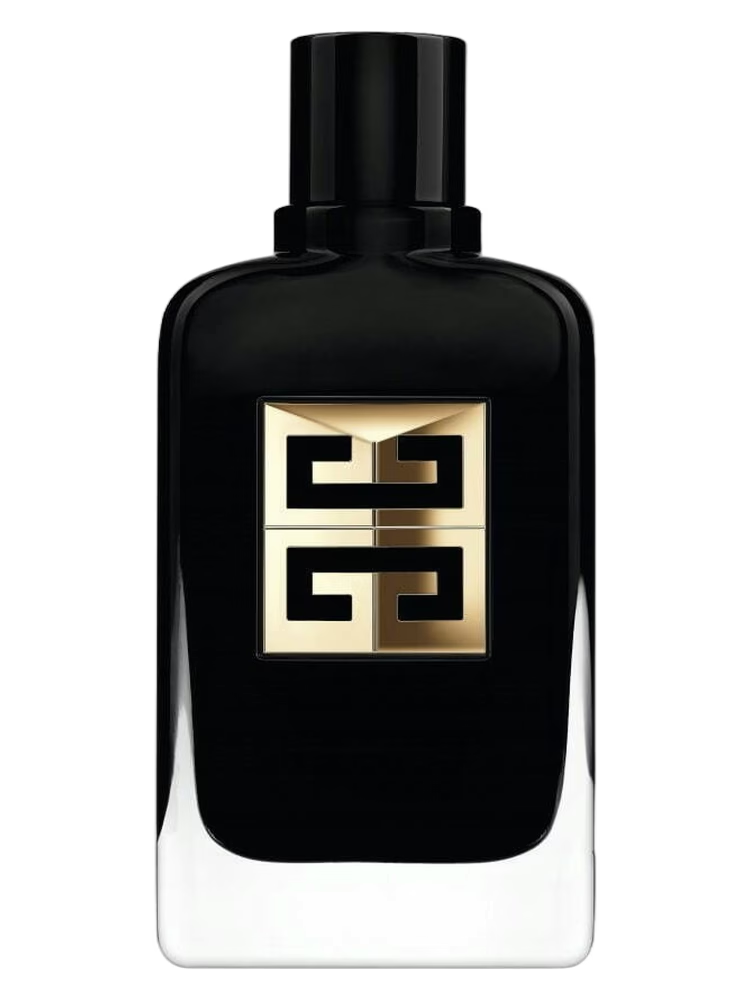
Gentleman Society Eau de Parfum Ambrée by Givenchy is a clear example. Its listing calls it an Oriental Woody fragrance for men, and the notes move from nutmeg, clary sage and juniper berries through orris, narcissus, sandalwood and two vetivers into tobacco, Madagascar vanilla and Peru balsam. The woods give it structure; the balsams and vanilla give it the amber glow.
The amber family has several faces on Scent Door listings:
- Oriental Woody — resins over woods, as in Ombre Tonka by Mancera
- Oriental Spicy — saffron, pepper and warm spice, as in Black Saffron Absolu by Byredo
- Oriental Vanilla — vanilla in the lead, as in Vanille Caviar by BDK Parfums
- Oriental Floral / Amber Floral — flowers set into a warm base, as in Rose Amira
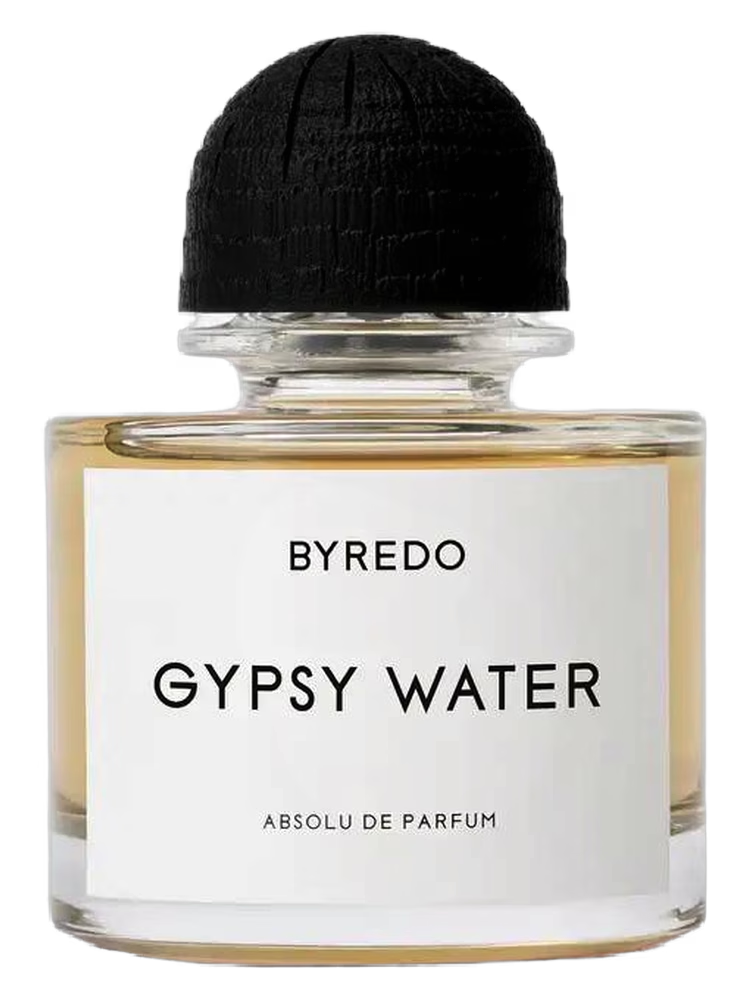
Gypsy Water Absolu by Byredo shows how a family label can surprise you. The name sounds airy, yet the listing places it in Oriental Woody: pine needles, black pepper and bergamot up top, incense, orris and carrot seeds in the heart, and vanilla absolute, white suede and Ambroxan underneath.
What defines the woody family?
Woody fragrances are built on dry, grounding materials. Each wood has its own accent: sandalwood is creamy and smooth, cedar is dry and pencil-like, vetiver is an earthy, slightly smoky grass root, patchouli is dark and soil-rich, and oud (agarwood) is dense, resinous and animalic.
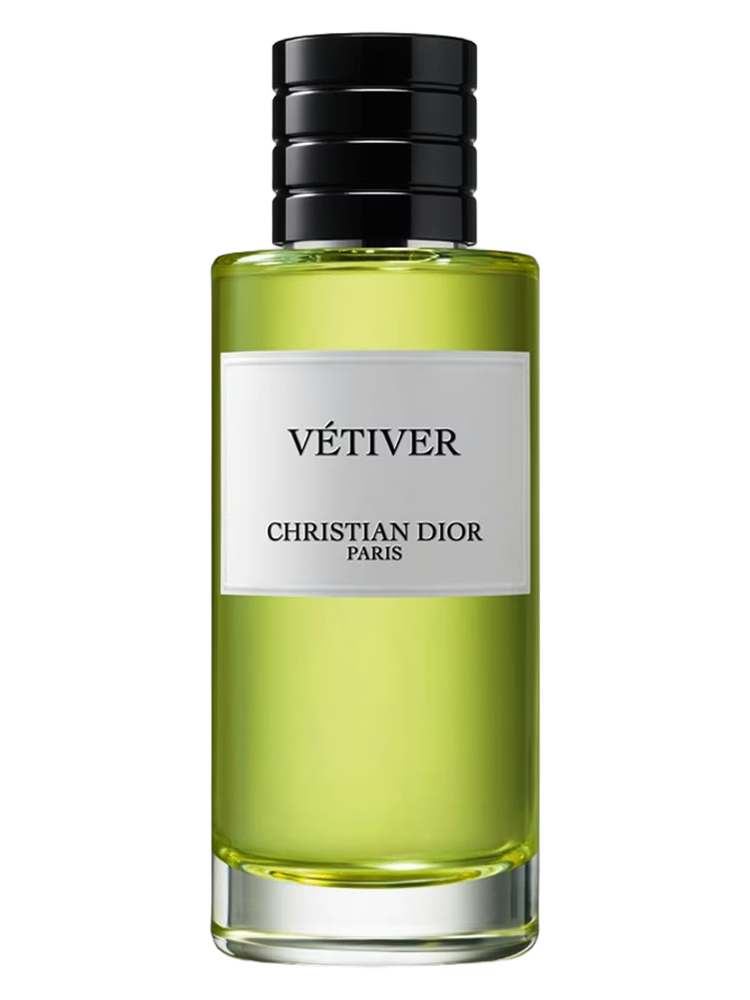
Vetiver from the La Collection Couturier Parfumeur line by Dior is about as pure an example as you will find. The listing calls it a Woody fragrance for men and names just two notes, vetiver and coffee. It is a good decant for learning what vetiver alone smells like, so you can spot it later inside busier blends.
Woods also team up with other families, and the labels tell you how:
- Woody Spicy — Sandalwood & Spiced Apricot by Jo Malone London and Hero Parfum Intense by Burberry
- Woody Aromatic — Marfa Oud by Memo Paris and Ralph’s Club Eau de Toilette by Ralph Lauren
- Woody Aquatic — Light Blue Forever pour Homme by Dolce&Gabbana, covered under fresh scents below
Even outside this family, woods turn up constantly in the dry-down, because they last. If you want to understand why a perfume ends on cedar when it started on lemon, our guide to perfume notes explains how top, heart and base notes take turns.
What counts as a fresh fragrance?
Fresh is the bright, airy side of the wheel. It has three main branches, and many fresh perfumes borrow from more than one:
- Citrus — bergamot, lemon, lime, mandarin, grapefruit and orange
- Green — crushed leaves, cut stems, tea and herbs
- Aquatic — watery, ozonic, sea-air notes
On Scent Door, citrus scents often carry the label Citrus Aromatic, meaning the fruit is sharpened with herbs. Taormina Orange by Tom Ford opens on blood orange, green mandarin, lime and cardamom. Buongiorno by Acqua di Parma leans greener, with spearmint, basil, lemon, petitgrain and rosemary. Néroli Outrenoir by Guerlain carries the same label but adds tea, smoke and earthy notes for a darker take on citrus.
The aquatic branch shows up as a modifier. Light Blue Forever pour Homme, the Woody Aquatic example mentioned above, pairs a grapefruit-and-bergamot top with an ozonic, violet-leaf heart and a base of vetiver, white musk and patchouli. Jean Paul Gaultier’s La Belle Rosea carries a Floral Aquatic label, setting peony, rose and violet against aquatic notes.
Fresh scents feel effortless, but citrus top notes are among the quickest to fade. If a fresh perfume seems to vanish, it may simply be moving into a quieter, longer-lasting base.
What are fougère and chypre fragrances?
These two families have French names and long histories, and they are often confused because both can feel crisp and grown-up. Their skeletons are different.
Fougère
Fougère means fern, though no fern smell is involved. The family is built on lavender and coumarin, a hay-like, tonka-style note, usually with geranium and some moss. It is the classic barbershop structure: clean, herbal and slightly sweet.
Scandal Pour Homme Elixir by Jean Paul Gaultier is listed as Aromatic Fougere, and it shows how modern fougères dress up the old frame. Lavender, geranium and clary sage are there, but so are black cherry, rum, tonka and vanilla. Y Iced Cologne by Yves Saint Laurent carries the same label and goes the other way, cooling the structure with mint, mint tea and blue sage.
Chypre
Chypre is the French word for Cyprus. The family rests on a contrast: a bright bergamot opening against a dry, mossy base of oakmoss, often joined by patchouli and labdanum. The effect is polished and a little bitter rather than sweet.
Labels and structure do not always match. Taormina Orange is listed as Citrus Aromatic, yet its base reads musk, patchouli and oakmoss beneath a citrus top, which is the chypre outline. Néroli Outrenoir likewise pairs bergamot with oakmoss. The label tells you where a perfume starts; the notes tell you where it is going.
| Feature | Fougère | Chypre |
|---|---|---|
| Core materials | Lavender, coumarin, geranium | Bergamot, oakmoss, patchouli |
| Overall feel | Clean, herbal, gently sweet | Dry, mossy, elegant |
| Label you may see | Aromatic Fougere | Often folded into citrus or woody labels |
| Example on Scent Door | Scandal Pour Homme Elixir, Y Iced Cologne | Taormina Orange and Néroli Outrenoir (oakmoss in the notes) |
What makes a leather or gourmand fragrance?
Both families are defined by texture as much as smell. Leather feels like something you could touch; gourmand feels like something you could taste.
Leather
Leather accords range from smoky and tarry, traditionally built with birch tar, to soft and suede-like. Saffron, tobacco and incense often keep them company. Cuir Saddle by Dior (cuir is French for leather) is listed as a Leather fragrance for women and men, with leather, suede, musk, floral notes and amberwood. Opus VII – Reckless Leather by Amouage takes the darker road, placing leather beside oud, ambergris, patchouli and olibanum.
Leather also appears as an accent inside other families. Black Saffron Absolu and Burberry’s Hero Parfum Intense both list leather in the heart while carrying Oriental Spicy and Woody Spicy labels.
Gourmand
Gourmands lean on edible notes: vanilla, caramel, praline, chocolate, coffee, sugar, milk. Some systems treat gourmand as its own family; others file it under amber as a sweet subfamily. On Scent Door it tends to appear as a modifier. Capri in a Bottle Lemon Sugar | 14 by Kayali is listed as Floral Fruity Gourmand, with sugar and lemon over raspberry and freesia. Freedom Musk Matcha | 45, also by Kayali, sits in Oriental Vanilla but lists oat, milk, praline and coffee in its heart. Vanille Caviar by BDK Parfums brings cacao into its vanilla.
Even the spare Dior Vetiver includes coffee, a reminder that a single gourmand note can add warmth without turning a perfume into dessert.
How do you read the family label on a Scent Door listing?
Scent Door product descriptions open with a short section called The Scoop. Its first sentence usually names the house, the family and the intended wearer, and many add a launch year before listing the top, middle and base notes. That one line does most of the sorting work for you.
A quick way to read it:
- Find the family phrase — words such as Floral, Oriental Woody or Citrus Aromatic, placed just before “fragrance”
- Read both words in a combined label — Floral Woody Musk, on Pure Musc Blanc For Her by Narciso Rodriguez and Bal d’Afrique Absolu by Byredo, means flowers over soft woods with clean musk
- Check who it is written for — “for women,” “for men” or “for women and men”; our cologne vs perfume guide explains what those phrases really mean
- Confirm with the notes — if the family says amber, expect vanilla, resins or balsams somewhere in the list
A few listings skip the family entirely. L’Homme Idéal Platine Privé by Guerlain, for example, is described only as a fragrance for men, followed by its notes: grapefruit and bergamot, green almond and neroli, then musk and vetiver. In that case the notes are your guide, and this one points clearly toward fresh citrus over a soft woody base.
Keep the shop’s own categories separate in your head. Luxury and Regular are price tiers, and the Unisex, Masculine and Femenine shelves sort fragrances by intended wearer. None of them is a scent family. For what separates the two tiers, see our breakdown of niche vs designer decants.
How do you find your favorite family with decants?
The fastest way to learn your families is to wear them, one at a time, on your own skin. A small decant of one representative perfume per family is enough to tell you whether a whole style is for you.
| Family | Key materials | How it feels | Example decant on Scent Door | Try if you like… |
|---|---|---|---|---|
| Floral | Rose, jasmine, tuberose, orange blossom | Romantic, from airy to heady | Rose Amira (Guerlain) | Fresh-cut bouquets and garden air |
| Amber | Vanilla, labdanum, benzoin, balsams, spice | Warm, golden, enveloping | Gentleman Society Eau de Parfum Ambrée (Givenchy) | Candlelight, incense and soft sweaters |
| Woody | Vetiver, sandalwood, cedar, patchouli | Dry, calm, grounded | Vetiver (Dior) | Pencil shavings and forest walks |
| Fresh | Citrus, herbs, green leaves, aquatic notes | Bright, clean, airy | Taormina Orange (Tom Ford) | Squeezed citrus and open windows |
| Fougère | Lavender, coumarin, geranium, moss | Herbal, tidy, gently sweet | Scandal Pour Homme Elixir (Jean Paul Gaultier) | Barbershop towels and dried lavender |
| Chypre | Bergamot, oakmoss, patchouli | Mossy, bittersweet, polished | Néroli Outrenoir (Guerlain) | Black tea and a damp forest floor |
| Leather | Leather, suede, birch smoke, saffron | Smoky, textured, confident | Cuir Saddle (Dior) | New gloves and a well-kept saddle |
| Gourmand | Vanilla, praline, coffee, sugar | Edible, comforting, sweet | Capri in a Bottle Lemon Sugar | 14 (Kayali) | Bakeries and lemon desserts |
Then run a simple week-long test:
- One family per day — never two on the same day, or they blur together
- Skin, not paper — spray the inner wrist or the side of the neck and leave it alone
- Check three times — after a few minutes, after an hour or two, and late in the day
- Write one line each time — what you liked, what bothered you, and how close it stayed
- Rank at the end of the week — your top two are your families to explore next
The family you love is a map, not a fence: once you know where you stand, every neighbor on the wheel is worth a visit.
With a winner in hand, branch out sideways. If Rose Amira wins, try other Oriental Floral listings before jumping to a fruity floral. If Vetiver wins, test a Woody Aromatic or Woody Spicy next. When you are choosing for someone else, families also make shopping easier, and our gift guide shows how to spread a set across several styles.
Do fragrance families map to seasons or occasions?
Loosely. Heat tends to amplify sweetness and spice, so fresh, green and light floral scents feel natural in summer, while cold air quiets perfume and leaves room for amber, woods, leather and gourmands. But your local climate matters more than the calendar, and it can shift sharply within a single year. Our page on perfume decants shipped to Arizona looks at both the dry desert heat and the humid monsoon months, and a long northern winter changes what feels right again.
Occasion works the same way. Shared offices usually suit families that stay close to the skin, such as citrus, soft woods and clean musks, while evenings leave room for richer ambers and leathers. Treat these as starting points, not rules. If a gourmand makes you happy on a July morning, wear it.
Shop decants and start your family test
More from Scent Door
- Perfume notes explained: top, heart and base
- Niche vs designer fragrance decants
- Cologne vs perfume: men’s, women’s and unisex
- Perfume sample sets as gifts: a buying guide
- Browse unisex decants
Common questions about fragrance families
How many fragrance families are there?
No authority fixes the number. The fragrance wheel, the most widely cited system, settles on four core groups (fresh, floral, amber and woody) and divides each into subfamilies. Many shop listings and perfume guides break out chypre, fougère, gourmand and leather as well, so you will see counts of four, seven or eight depending on who drew the map.
What is the difference between amber and oriental fragrances?
There is no difference in the scent itself; they are two names for the same warm family of vanilla, resins, balsams and spices. Amber is the newer term and many brands now prefer it, but plenty of listings, including many on Scent Door, still say oriental. Treat the two words as interchangeable.
What is a chypre perfume?
A chypre pairs a sparkling citrus top, nearly always bergamot, with a dusky oakmoss foundation, frequently rounded out by patchouli and labdanum. That tension between light and shadow makes chypres feel sophisticated and faintly bitter instead of sugary. The name is simply the French word for the island of Cyprus.
What does fougère mean in perfume?
Fougère is French for fern, yet nothing in the family smells like one. It describes an herbal accord of lavender laid over coumarin, which recalls sweet dried hay, often with geranium and oakmoss in support. Traditional barbershop colognes follow the pattern, and Scent Door lists Scandal Pour Homme Elixir as Aromatic Fougere.
Is gourmand its own fragrance family?
It depends on whose system you follow. Some classifications give gourmand full family status for edible notes like vanilla, caramel, praline, coffee and sugar; others treat it as a sweet branch of amber. Scent Door listings use the word as a modifier, for example Floral Fruity Gourmand on a Kayali listing.
Can one perfume belong to two families?
Yes, and combined labels say exactly that. A description such as Woody Aquatic, Oriental Floral or Floral Woody Musk tells you the scent draws on more than one family at the same time. Reading both words, then checking the notes, gives you a far clearer picture than either word on its own.
Which fragrance family is easiest for beginners to wear?
Fresh citrus and aromatic scents are usually the easiest starting point, because they feel clean, suit most settings and rarely overwhelm a room. Soft florals and light woods come close behind. Leave dense ambers, smoky leathers and heavy gourmands until you know how your own skin handles stronger perfume.
What is an aromatic fragrance?
An aromatic fragrance leans on herbs such as lavender, sage, rosemary, basil, mint and thyme. The effect is green, slightly bitter and clean. Aromatic notes often pair with citrus or with a fougère structure, which is why Scent Door listings carry labels like Citrus Aromatic and Aromatic Fougere.
How do I find out which family a perfume belongs to?
Start with the product description. On Scent Door, the opening sentence of each listing usually names the family alongside the house and the intended wearer. If no family is given, read the notes and match the dominant materials, such as vanilla and resins for amber or vetiver and cedar for woody.
Why do I like one floral perfume but dislike another?
The floral family is huge, so two florals can share very little. A dewy peony and a creamy, heady tuberose sit far apart, and the supporting notes, from fruit to musk to vanilla, change the effect again. Notice which flower and which partners you enjoy, not just the family name.



Leave a Reply