

How to Make Perfume Last Longer: Methods That Actually Work
Most people who search for how to make perfume last longer are really asking two things: why a fragrance they love seems to vanish before lunch, and what they can change tomorrow morning to stop it happening. The answer sits partly in chemistry, partly in your skin and partly in the way your own nose works. Below are 12 methods that make a real difference, the reasoning behind each one, and the popular tricks that do very little.
Quick answer: Perfume lasts longer on moisturized skin, on fabric and hair, and when you choose a richer concentration or base-heavy fragrance. Spray right after a shower onto unscented lotion, don’t rub your wrists, and store the bottle cool and dark. Often the scent is still there and your nose has simply adapted.
How to make perfume last longer: which 12 methods actually work?
Here is the whole list in one place. Each method is explained further down, so you can pick the handful that suit your skin, your routine and the weather where you live. None of them needs special equipment, and most cost nothing at all.
| Method | Why it works | Effort | Best for (skin type / climate) |
|---|---|---|---|
| 1. Moisturize with unscented lotion first | Hydrated skin holds aromatic molecules near the surface instead of letting them flash off | Low | Dry skin, low-humidity climates, winter |
| 2. Spray straight after a shower | Clean, warm, freshly moisturized skin gives the scent an even base | Low | All skin types; morning routines |
| 3. Choose warm, covered spots | Body heat lifts the scent gently while clothing slows evaporation | Low | Office wear, cool weather |
| 4. Mist fabric as well as skin | Fibers release scent slowly and do not soak it up the way skin does | Low | Citrus and fresh scents that fade fast; hot climates |
| 5. Stop rubbing your wrists | Friction heats the skin and rushes the opening | None | Anyone who rubs out of habit |
| 6. Pick a richer concentration | More perfume oil per spray gives more material to evaporate slowly | Medium (a buying choice) | Long days, cold or dry weather |
| 7. Lean toward base-heavy families | Woods, resins, amber and vanilla are heavier materials that linger | Medium | Skin that “eats” fragrance |
| 8. Ask someone before re-spraying | Your nose adapts, but other people may still notice the scent | None | Anyone tempted to over-spray |
| 9. Scent your hair or brush | Hair holds scent and moves it each time you turn your head | Low | Outdoor events, breezy days |
| 10. Match your body products | An unscented or matching base layer adds staying power without clashing | Medium | Dry skin, long evenings |
| 11. Keep bottles cool and dark | Heat and light break the formula down, so it wears thinner | Low | Anyone with several bottles; warm homes |
| 12. Carry a decant for a top-up | A small atomizer restores the opening without overdoing the morning dose | Low | Long workdays, travel, evenings out |
Why does perfume fade so quickly on some people?
A perfume is not one smell. It is a blend of aromatic materials that evaporate at different speeds, and perfumers describe that sequence as top, heart and base notes. The top notes are the smallest, most volatile molecules: citrus peels, light herbs, sparkling fruits. They hit the air first and fade first. Heart notes, often florals and spices, take over next. Base notes such as woods, musks, resins and vanilla are heavier and stay on the skin the longest. The Wikipedia entry on Note (perfumery) gives a clear overview of the structure, and our own guide to perfume notes walks through how each layer behaves.
So when someone says a perfume “disappears,” they usually mean the bright opening has gone. If the composition leans heavily on citrus and fresh notes with only a thin base, there is not much left to carry the scent through the afternoon.
Skin, heat and the air around you
Three other forces speed the fade.
- Dry skin — skin with little moisture or natural oil gives the aromatic molecules nothing to cling to, so they disperse faster.
- Heat — warm skin and hot weather raise the evaporation rate. The perfume projects more strongly for a while, then runs out sooner.
- Moving air — wind, fans and air conditioning carry scent away from you, especially outdoors.
Personal chemistry plays a part too, which is why the same fragrance can seem shorter-lived on one person than on a friend. You cannot change your skin type, but you can change the surface you spray onto, and that is where most of the methods below begin.
Does moisturizing before spraying really help?
Yes, and it is the single easiest habit to adopt. Most fine fragrances are dissolved in alcohol. When you spray, the alcohol evaporates within seconds and leaves the perfume oils sitting on your skin. If that skin is dry, the oils spread thin and drift off quickly. A hydrated surface keeps them in place for longer.
Method 1: start with fragrance-free lotion
Apply a fragrance-free body lotion to the spots you plan to spray, give it a minute to sink in, then spray. Unscented matters: a lotion with its own perfume will compete with your fragrance and can turn the blend muddy. If your skin is very dry, a small amount of petroleum jelly rubbed thinly over one or two spots works on the same principle by creating a slightly occlusive layer. Use very little, since a greasy film can stain collars and cuffs.
Method 2: spray straight after a shower
Skin is cleanest and most receptive in the few minutes after a warm shower, once you have patted it dry and moisturized. There is no old sweat or leftover product to interfere, and the skin is still warm enough to help the scent bloom evenly. Getting dressed after spraying also traps some of the fragrance between skin and clothing.
This advice matters most where the air is parched. In dry desert climates and in heated homes during winter, skin loses moisture quickly and perfume suffers with it. If you have sensitive skin, test any new lotion and fragrance pairing on a small patch first. The FDA: Fragrances in Cosmetics page explains how fragrance ingredients are labeled and why some people react to them.
Should you spray perfume on clothes or skin?
Both, ideally. Skin gives a perfume warmth and movement, so it develops the way the perfumer intended. Fabric has the opposite strength: it is cool, it does not absorb the oils into living tissue, and it releases the scent slowly. A light mist on a scarf, the inside of a jacket or a sweater can still be noticeable the next morning, long after the same perfume has faded from your wrist.
Method 3: where on the skin it goes
Where the spray lands on your skin matters as much as whether you add fabric. Warm areas that are partly covered, such as the inner elbows, the base of the neck and the chest, release fragrance gently all day while clothing shields them from moving air. Our full guide to where to apply perfume covers spot-by-spot placement and how many sprays suit different settings.
Method 4: how to scent fabric without damage
- Distance — hold the bottle well away so the spray lands as a fine mist rather than a wet spot.
- Test first — try an inside seam before spraying silk, satin, pale colors or leather, because the oils and any natural coloring in the perfume can leave marks.
- Natural fibers — wool and cotton tend to hold scent better than slick synthetics.
- Rotate — clothes that are sprayed every day build up stale layers; wash them regularly so the scent stays clean.
Does rubbing your wrists together ruin perfume?
“Ruin” is too strong, but rubbing does work against you. It is one of the most common habits and one of the easiest to drop.
Myth: rubbing your wrists together “warms up” the fragrance and helps it last.
Fact: rubbing generates friction and warmth right at the moment the alcohol is evaporating. That drives the delicate top notes away sooner and can flatten the opening you paid for. It also transfers the perfume onto a second spot, so each wrist ends up with a thinner coat.
Method 5: spray, then leave it alone. Give it a few seconds to air-dry. If you want scent on both wrists, spray each one rather than pressing them together. Touching one wrist lightly against the other does little harm; it is the vigorous back-and-forth that speeds things up.
Do concentration and fragrance family change longevity?
They change it more than any application trick. If a perfume simply is not built to last, moisturizer and clever placement will help only so much.
Method 6: choose a richer concentration
Concentration describes how much perfume oil is dissolved in the alcohol. A version labeled eau de parfum usually holds more oil than an eau de toilette of the same name, and versions labeled parfum, extrait or intense usually hold more again. More oil means more material on the skin and a slower fade, often with a softer, closer projection. Our side-by-side EDP and EDT comparison explains how to choose between versions of the same scent.

Burberry’s Hero Parfum Intense is a useful illustration: its Scent Door listing describes it as a Woody Spicy fragrance for men, with black pepper on top, leather at the heart and cedarwood in the base. That short, base-weighted structure is exactly the kind of build that tends to wear for a long time.
Method 7: lean toward base-heavy families
Fragrance families built on heavy materials outlast those built on light ones. Think amber, incense-like resins, sandalwood and cedar, leather, vanilla and tonka bean: all of them are slow to evaporate. Sparkling citrus and watery marine styles are lovely, but even at a high concentration they are working with faster-moving ingredients.
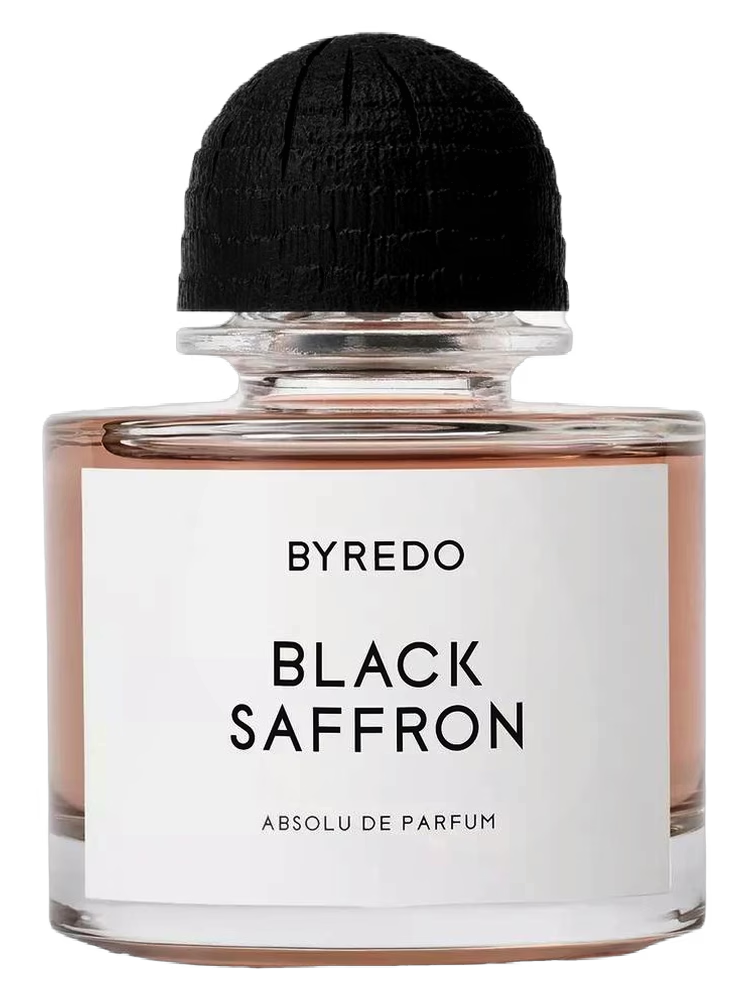
Two examples from the Scent Door catalog show the pattern. Black Saffron Absolu by Byredo is listed as an Oriental Spicy fragrance for women and men. It opens with saffron, pomelo and juniper berries, moves into leather, rose and black violet, and settles on raspberry, blonde woods and vetiver. The pomelo and juniper are the parts that fade first; the leather and woods are what you will still notice hours later.

Ombre Tonka by Mancera is described on its listing as an Oriental Woody scent for women and men, with oud, pistachio and bergamot on top, tonka, amberwood and rose de mai in the heart, and benzoin, Madagascar vanilla and patchouli in the base. Nearly every note past the opening belongs to the slow-burning end of the scale. If dense, resinous compositions appeal to you, our page of Amouage decants is another good place to explore that style.
Is your perfume fading, or is your nose just used to it?
Very often, the perfume is still there. Your sense of smell is designed to notice change. When an odor stays constant, the receptors in your nose gradually stop reporting it so that new smells, such as smoke or food, can get your attention. This is called olfactory adaptation, and it can make your own fragrance seem to disappear within the first hour while people around you still pick it up.
Method 8: check with someone before you re-spray
- Ask a friend or colleague — preferably a person who only just walked into the room.
- Reset your nose — take a short walk in fresh air, then sniff a cuff or collar you sprayed at breakfast.
- Use a reference spot — a scarf or jacket lining gives you a quick, honest sniff test without adding more.
Reaching for the bottle every time you stop noticing your scent is the fastest way to overdo it. A quick check first saves product and keeps the people around you comfortable.
Does hair hold fragrance longer?
Hair is porous, so it holds fragrance well, and every turn of your head stirs the scent into the air. That makes it a useful second surface alongside skin.
Method 9: scent the brush, not the roots
The catch is alcohol. Spraying perfume directly onto hair every day can leave it feeling dry, especially if it is already fine, bleached or curly. Gentler ways to get the same effect:
- Spray your hairbrush — mist the bristles once, wait a moment, then brush through the lengths.
- Mist from a distance — a single light spray held well away, aimed at the ends rather than the scalp.
- Use an accessory — a scarf, headband or hair tie carries scent without touching the hair at all.
Can layering with matching body products extend wear?
It can, in a modest way. Method 10 is simply to make sure nothing on your skin is fighting your perfume. An unscented body wash and lotion give the fragrance a neutral base to sit on. If the house that makes your perfume also makes a matching body cream or shower gel, using it adds a quiet layer of the same scent under the spray. Avoid mixing your fragrance with a strongly scented deodorant or lotion from a different line; the two compete, and both seem to fade faster.
How does storage affect how long a fragrance lasts on skin?
A perfume that has been stored badly does not just smell different, it also wears thinner. Heat, direct sunlight and repeated exposure to air break down the aromatic materials over time. The top notes are usually the first casualties, which is why an old bottle can open flat or sour and then seem to vanish quickly.
Method 11: keep bottles and decants in a cool, dark drawer or cupboard, upright and tightly closed, away from the bathroom’s heat and steam and away from sunny windowsills. For a fuller picture of shelf life and storage, read our guide on how long perfume samples last.
Is it worth carrying a decant for a midday top-up?
For long days, yes. No perfume keeps its opening all day, and a single spray at lunchtime brings back the brightness that faded first. The point of method 12 is to top up lightly rather than to spray heavily at breakfast and hope it lasts until dinner.
Carrying a full bottle is awkward, which is where a small atomizer earns its place. Scent Door pours its decants into five sizes, from a 5 ml bottle that holds just 0.16 oz up to a 20 ml bottle at 0.67 oz, with 8, 10 and 15 ml options between them. On the listings you choose between an aluminum twist-up atomizer with a glass vial inside, sold in every size, and a plastic version sold in 5, 10 and 20 ml. A 5 ml or 8 ml size slips into a pocket or small bag, while a larger size suits a scent you wear most days. You can shop decants by brand or by category.
Which longevity tips are myths?
Some popular advice is half true, and some does nothing at all.
- “Petroleum jelly makes any perfume last all day” — partly true. A thin layer helps on dry skin, but it cannot turn a light citrus cologne into a long-wearing scent, and too much leaves greasy marks.
- “Keep perfume in the fridge” — unnecessary for most people. A cool, dark cupboard does the job, and moving a bottle in and out of the cold can cause condensation. The storage section above explains what actually protects a fragrance.
- “More sprays means longer wear” — mostly false. Piling on sprays boosts the opening, yet the base fades at much the same pace.
- “Spray into the air and walk through it” — most of the perfume lands on the floor. It gives a light veil, not longevity.
- “Pulse points are the only places that work” — pulse points are warm and useful, but fabric, hair and covered areas often hold scent longer.
What does a full routine for how to make perfume last longer look like?
Put the methods together and a typical morning takes no extra time at all.
- Shower with an unscented or matching body wash and pat your skin dry.
- Smooth fragrance-free lotion over each place you intend to scent.
- Spray two or three times on warm, partly covered areas and let it dry without rubbing.
- Add one light mist to a scarf, jacket lining or your hairbrush.
- Get dressed, then slip a small decant into your bag.
- At midday, check with someone or reset your nose outdoors before adding a single spray.
Pair that routine with a richer concentration or a base-heavy family on days that matter, and keep your bottles in a cool, dark place between wears.
The fragrance that seems to vanish by noon is often still there; your nose has simply stopped announcing it.
More from Scent Door
- Where to apply perfume for the best effect
- Top, heart and base notes explained
- Eau de parfum or eau de toilette: how to choose
- Shelf life and storage for samples
- Byredo decants
- Amouage decants and samples
Common questions about making perfume last longer
Why can’t I smell my perfume after an hour?
Usually because your nose has adapted, not because the scent is gone. Smell receptors stop reporting a steady, unchanging odor so you can notice new ones. The bright top notes have also faded by then, leaving softer heart and base notes that sit closer to the skin and are easy to miss.
Does unscented lotion help fragrance last longer?
Yes, for most people. A thin layer of unscented lotion gives perfume a hydrated surface to cling to, so less of the scent drifts away once the alcohol evaporates. Apply it first, let it sink in for a minute, then spray. Scented lotions can work too, but only when they match your fragrance.
Is it bad to rub perfume into your wrists?
It does not ruin the perfume, but it changes the first part of the wear. Rubbing creates friction and heat, which pushes the most volatile top notes off faster and can blur the opening. Spray, then let the liquid dry on its own. A light dab from one wrist to the other is fine.
Does perfume last longer on clothes than on skin?
Usually, yes. Fabric is cooler than skin and does not absorb fragrance the same way, so the scent evaporates slowly and often stays recognizable into the next day. The trade-off is that it will not develop with your body heat. Test a hidden spot first, since some oils can mark silk or pale fabric.
Can spraying perfume on hair damage it?
Frequent, heavy spraying can dry hair out because most perfumes are alcohol-based. An occasional light mist from a distance is unlikely to cause problems for most people. Gentler options are to spray your hairbrush and run it through the lengths, or to mist a scarf or hair accessory instead of the hair itself.
Which fragrance families last the longest on skin?
Families built on heavy base materials tend to last longest: amber and oriental styles, woods, resins, leather, vanilla and tonka. Their molecules evaporate slowly, so they keep going after the opening has gone. Bright citrus colognes and airy aquatic scents rely on lighter materials and usually fade sooner, even at higher concentrations.
Does dry skin make perfume fade faster?
Yes. Dry skin has less moisture and natural oil to hold fragrance near the surface, so the scent evaporates and disperses more quickly. That is why the same perfume can seem shorter-lived in winter or in arid places. Moisturizing with an unscented lotion before you spray is the simplest fix for most people.
Will more sprays make a fragrance last longer?
Not by much. Extra sprays mostly make the first hour louder, because the top notes are what you add the most of. The base still fades at roughly the same pace. Two or three well-placed sprays plus a midday top-up usually beats six sprays at breakfast, and it is kinder to the people around you.
Does the weather change how long perfume lasts?
It does. Heat speeds evaporation, so fragrance projects more strongly but runs out sooner on hot days. Cold, dry air slows the scent and can make it feel faint. Humid air tends to help a perfume linger close to the skin. Lighter scents suit heat, while richer ones hold up better in the cold.
How can I check whether my scent is still noticeable to others?
Ask someone you trust, ideally a person who has not been sitting next to you all day. You can also step outside for a few minutes, then smell a scarf or sleeve you sprayed earlier. Fresh air resets your nose, so you will judge the scent more accurately before reaching for a top-up.


Leave a Reply