
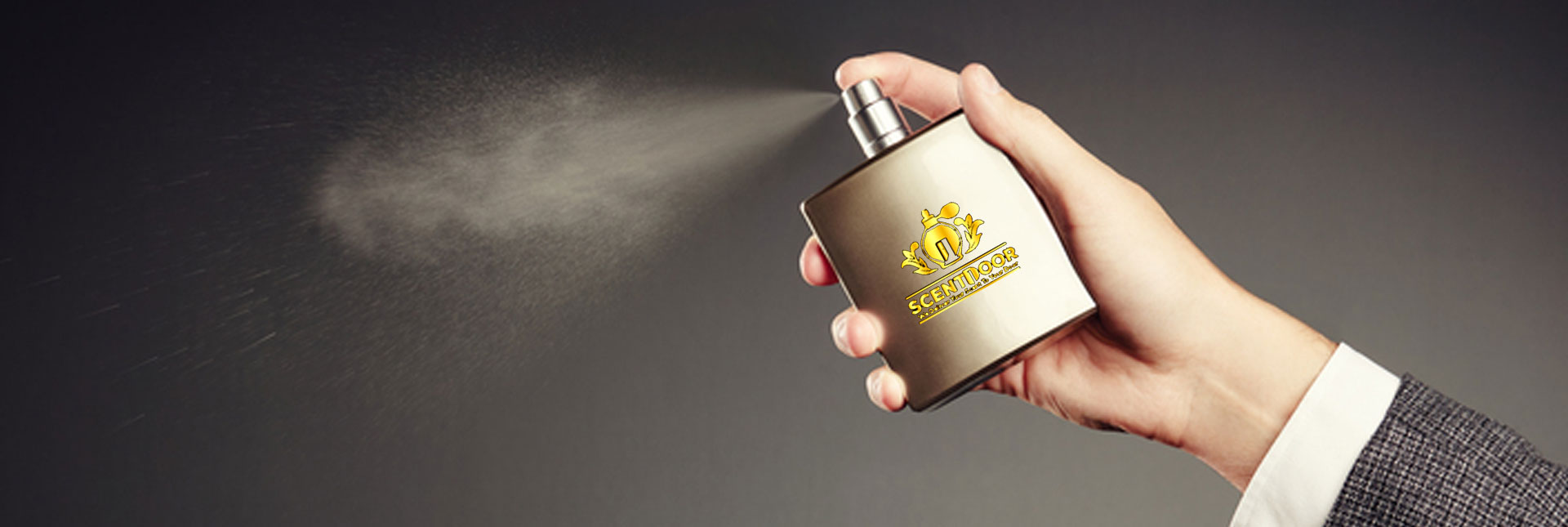
Where to Apply Perfume and How Many Sprays to Use
Most people learn where to apply perfume by copying someone else: a quick spritz on each wrist, a brisk rub, and out the door. It works, sort of. But the spot you choose, the number of sprays and the distance you hold the bottle all change how a fragrance behaves over a day, and who ends up smelling it. Get them right and a modest amount of scent reads as polished. Get them wrong and the same fragrance either vanishes by ten in the morning or fills an elevator.
Quick answer: Apply perfume to warm pulse points such as the neck, behind the ears, the chest and inner elbows, holding the nozzle a few inches away. Two to three sprays suits most eaux de parfum for daily wear, one to two for extraits and offices, and three to four for light eaux de toilette outdoors.
This guide maps the placements that work, gives you a spray-count chart by concentration and setting, and covers the small twist-up decant atomizer, which asks for a slightly different hand than a full-size bottle with a cap.
Where to apply perfume: which spots work best?
The reliable spots share three traits. The skin is warm, it is a little sheltered from friction, and it sits close to where people stand when they talk to you. Classic advice calls these pulse points, because blood vessels run near the surface there and the skin tends to stay slightly warmer than, say, the back of your hand.
- Side of the neck — the single most useful spot. It sits at conversation height, stays warm under a collar, and moves a little every time you turn your head, which lifts the scent into the air around you.
- Behind the ears — a smaller, more private zone. It gives a close, personal trail and is less likely to be rubbed off by clothing.
- Base of the throat and upper chest — under a shirt, scent is released slowly as your body warms the fabric. This is ideal for rich or sweet compositions that can feel loud on exposed skin.
- Inner elbows — a warm crease that seldom meets soap between morning and evening. A useful second spot when you want a soft radius rather than a cloud.
- Inner wrists — convenient and easy to smell yourself, but they are washed often, brush against desks and keyboards, and are the first place people rub. Treat them as a testing spot more than a main one.
- Back of the knees or ankles — a quiet trick for skirts, shorts and warm evenings, since scent rises as you walk.
Hair and the nape of the neck
Hair holds fragrance well because the strands offer a lot of surface and run a few degrees cooler than skin, which lets the scent unfold slowly. The catch is that most perfumes are alcohol-based, and alcohol can feel drying on hair. A gentler approach is one spray onto a brush or comb, then a pass through the ends, or a single light mist at the nape under longer hair.
Pick two spots, not six
Covering every pulse point at once almost guarantees an overpowering result. Choose one main spot, usually the neck or chest, and one supporting spot, such as an inner elbow or behind one ear. That pairing gives you both a personal layer and a gentle trail without crowding anyone.
Why do pulse points matter?
Every fragrance is built from ingredients that leave the skin on their own schedules. Bright citrus and herbal notes lift off first, florals and spices follow, and woods, resins and musks hang on longest. Warmth speeds that evaporation, which is why perfume sprayed on warm skin projects more than the same perfume on a cool sleeve.
Pulse points are useful, then, not because of anything mysterious about the pulse itself, but because they are warm, regularly in motion and close to where other people meet you. The effect is real but modest. Placement nudges how a scent projects; it will not turn a quiet skin scent into a powerhouse, or make an eau de toilette behave like an extrait.
There is a trade-off worth knowing. Warmer skin also burns through the top notes faster. On a hot afternoon, a fragrance sprayed on the throat will open, peak and settle sooner than the same fragrance sprayed on a jacket lining. That is why seasonal placement, covered further down, deserves a few seconds of thought.
Skip the wrist rub
Rubbing your wrists together after spraying is a reflex for many people. It warms the skin for a moment and smears the liquid thin, which hurries the opening along. Let the spray sit and dry on its own. Touching the wrist lightly to the neck is fine; grinding the wrists together is not.
How many sprays of perfume should you use?
There is no universal number, because the concentration, the fragrance itself, your skin and the room all play a part. Still, a starting chart beats guesswork. The counts below assume a standard atomizer and a fragrance of average strength, worn on skin.
| Concentration | Office | Outdoors, daytime | Evening out | Warm, humid day |
|---|---|---|---|---|
| Eau de toilette (EDT) | 2–3 sprays | 3–4 sprays | 3–4 sprays | 2–3 sprays |
| Eau de parfum (EDP) | 1–2 sprays | 2–3 sprays | 2–3 sprays | 1–2 sprays |
| Extrait or parfum | 1 spray | 1–2 sprays | 1–2 sprays | 1 spray |
Read the chart as a starting line, not a rule. Then adjust for the fragrance in your hand:
- Dense compositions — ouds, heavy ambers, big white florals and thick vanilla scents often need one spray fewer than the chart suggests. Rich Tom Ford decants are a good example of a style where restraint pays off.
- Airy compositions — citrus colognes and aromatic scents tend to fade faster, so they can take one extra spray, or a top-up later in the day.
- Your own nose — after a short while you stop noticing a familiar scent on yourself. Do not add sprays simply because you can no longer smell it.
- The room — a small office, a car or a crowded restaurant amplifies everything, while an open terrace swallows it.
If the labels on the bottle are part of the puzzle, our guide with the concentrations explained walks through how eau de toilette and eau de parfum differ in practice.
A quick test for the right amount
Ask someone you trust to stand at arm’s length an hour after you apply. If they can smell your fragrance during a hug but not across a table, you have it about right for most settings. If they notice it from the doorway, drop a spray next time.
How far from the skin should you hold the bottle?
Hold the nozzle roughly three to six inches from your skin. Any closer and the spray lands as one wet spot that runs, drips onto clothes and dries unevenly. Much farther and a good share of the liquid ends up in the air instead of on you.
A well-placed spray leaves a fine, damp patch a little larger than a coin, not a drip. If you see droplets running, you were too close or pressed for too long. Wait a few seconds for each spray to dry before dressing over it.
Start with clean, dry skin. Moisturized skin tends to hold scent a little better than dry skin, which is why many people smooth on an unscented lotion first. For more ways to stretch wear time, read our tips to make perfume last longer.
Where to apply perfume on clothes: should you spray fabric?
Fabric is a perfectly good place for fragrance, and in some ways a better one. Fibers are cooler than skin, so scent evaporates more slowly and the top notes stay recognizable for longer. Wool, cashmere and cotton knits hold fragrance especially well. The downside is that fabric does not warm a fragrance the way skin does, so the soft drydown you love may come through differently.
- Scarves and the inside of a collar — close to the face, easy to refresh, and removable if you change your mind.
- Lapels and jacket linings — a classic for tailoring, and the lining protects the outer cloth.
- The hem of a coat — a cold-weather favorite, since the scent rises with every step.
Perfume contains alcohol, oils and sometimes colorants, so it can mark delicate or pale fabrics. Before you spray a new garment, try a single spritz somewhere out of sight, such as an inner seam or the underside of a hem, let it dry fully, and check it in daylight. Silk, satin, white linen and anything labeled dry clean only deserve extra caution. When in doubt, spray the skin underneath instead of the fabric.
There is also a middle path: spray before you get dressed, let your skin dry for a minute, then put your clothes on. The fabric picks up a light layer from your skin without taking a direct hit.
Is spraying into the air and walking through it worth it?
The spray-and-walk method is popular because it feels light and even. In practice, most of the liquid misses you. Droplets fall to the floor, settle on the mirror or drift away, and what does land is a thin, patchy veil on your hair and shoulders rather than your skin.
It is not useless. If you want the faintest whisper of a strong fragrance, or a quick freshen-up over clothing, a single mist overhead can deliver that. But it is the least efficient way to wear perfume, and with a small decant, where every milliliter counts, it is hard to justify. Two well-placed sprays on skin will carry further and last longer than four sprays into the air.
Where should you never apply perfume?
Fragrance is meant for intact, healthy skin. Keep it away from these areas:
- Broken, freshly shaved or irritated skin — alcohol stings, and fragrance can be uncomfortable on skin that is already sore.
- Eyes, lips and the inside of the nose or mouth — spray away from your face, with the nozzle aimed at your neck rather than upward.
- Skin you will expose to strong sun for hours — on beach days or long afternoons outdoors, fabric or skin covered by clothing is the more comfortable choice.
- Intimate areas — perfume is not made for sensitive mucous membranes.
Some people are sensitive to particular fragrance ingredients. For background on how fragrance is regulated and labeled in the United States, including allergies and sensitivities, see FDA: Fragrances in Cosmetics. If a spot turns red, itchy or uncomfortable, rinse the area gently and give that patch of skin a break from the fragrance. For a reaction that does not settle, talk to a doctor.
How do you apply perfume from a small decant atomizer?
Scent Door’s aluminum twist-up travel atomizers come in five fills, 5, 8, 10, 15 and 20 ml, and product listings add a plastic option at the 5, 10 and 20 ml sizes. You can see the aluminum sizes on the Our Bottles page. A twist-up atomizer works a little differently from a large bottle with a lift-off cap, so it is worth a minute to learn the motion.
- Twist to open — turn the outer sleeve until the nozzle rises, then twist it back down after use so the nozzle stays protected in a pocket or bag.
- Hold it upright — the tube inside draws from the bottom, so keep the atomizer vertical, especially as the level drops.
- Press fully and briskly — a short, complete press gives an even spray; a slow half-press tends to spit.
- Prime it once — on first use, send one spray away from your body to get the pump going.
- Judge by the patch, not by habit — if you are used to a different bottle, look for that damp, coin-sized patch on your skin rather than repeating the count you use at home.
Because a decant is so easy to carry, it also changes how you top up. Instead of loading on extra sprays in the morning, apply the chart amount and keep the atomizer with you for one measured refresh after lunch or before an evening plan. L’Homme Idéal Cologne Forte by Guerlain, which its listing describes as a 2025 fragrance for men with grapefruit, lemon peel and bergamot over a base of vanillin, vetiver and incense, is the kind of bright opening that rewards a midday top-up from a pocket-sized bottle.

Does placement change for office, gym, and dates?
Yes. The same fragrance can feel right or wrong depending on the room, so it helps to think about who will be standing near you and for how long.
At the office
Keep it close. Aim one or two sprays of an eau de parfum low, at the chest or beneath a shirt collar, so the fragrance stays around you rather than drifting across the desk. Avoid reapplying at your desk, because colleagues in shared rooms notice more than you think. Clean musks, soft woods and gentle aromatics are the easiest styles to wear around other people all day.
At the gym
Most people skip fragrance before a workout, and for good reason: heat and sweat push scent around unpredictably and can turn a pleasant composition sharp. Save it for afterward, once you have showered and cooled down. A small decant tucked in a gym bag fits that moment well.
On a date or an evening out
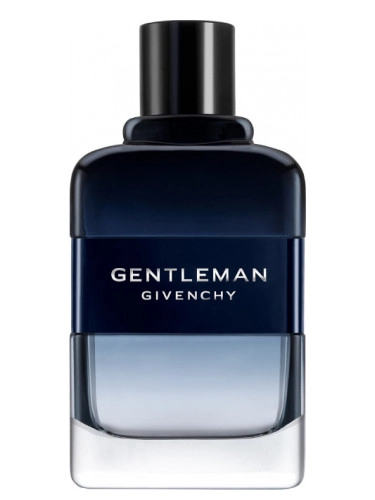
This is a setting for intimacy rather than projection. Behind the ears and at the base of the throat place the scent where someone leaning in will find it. A pair of eau de parfum sprays, or three of a lighter eau de toilette, is plenty for dinner. Gentleman Eau de Toilette Intense from Givenchy, listed as a Woody Aromatic fragrance for men with cardamom, basil and bergamot over coumarin and cedar, suits this close-range approach.
Outdoors and on the road
Open air disperses fragrance quickly, so this is where an eau de toilette can take its full three or four sprays. A spray on a scarf or the inside of a jacket adds staying power without piling more onto skin that faces the sun all day.
Fragrance should introduce you at arm’s length and confirm you up close. If it arrives in the room before you do, that is one spray too many.
How should application change between summer and winter?
Heat makes fragrance louder and shorter-lived; cold makes it quieter and slower. Adjust both the spot and the count as the seasons turn.
- Summer — drop a spray, favor covered skin or fabric over sun-exposed areas, and reach for lighter compositions. Humid air can make a scent feel heavier and closer, which our notes on Texas humidity cover in more depth.
- Winter — skin under layers stays warm while exposed skin turns cold, so spray the chest and neck before dressing and add one spray to a scarf. Ambers and woods come into their own; our page on New York seasons shows how one wardrobe can shift across the year.
- Spring and fall — the in-between months are the easiest, so use the chart as written.
Vol de Nuit Eau de Toilette from Guerlain shows how one fragrance can move with the weather. Its listing calls it an Amber Floral for women, with galbanum, bergamot and petitgrain opening onto narcissus, spices and jasmine over iris, vanilla, woods, amber and patchouli. Wear a couple of sprays on the chest in cool months, and a single spray on a scarf when the heat arrives.

What should you read next on Scent Door?
- How to make perfume last longer
- EDP vs EDT: which concentration to choose
- Our Bottles: sizes and atomizers
- Tom Ford perfume samples and decants
- Perfume decants shipped to Texas
- Perfume decants shipped to New York
Common questions about where to apply perfume
Is it better to apply perfume to the neck or the wrists?
The neck is usually better. It stays warm, sits at conversation height and is rarely washed or rubbed during the day, so the scent lasts and reaches people naturally. Wrists are handy for testing and for smelling a fragrance yourself, but frequent hand washing and contact with desks wear the scent off faster.
How many sprays of eau de parfum are enough for the office?
One to two sprays of eau de parfum is enough for most offices. Place them on the chest or under a collar instead of the side of the neck, so the scent stays within your personal space. In a small or shared room, or with a rich amber or oud, one spray is often the better choice.
Should I apply perfume before or after getting dressed?
Apply perfume before getting dressed, onto clean, dry skin, and give it a minute to dry before putting clothes on. That avoids direct spray marks on fabric while letting your clothes pick up a gentle layer from your skin. For extra staying power, add one light spray to a scarf or jacket lining afterward.
Why does perfume behind the ears work so well?
The skin behind the ears is warm and sheltered by hair, so fragrance there wears steadily and is not rubbed away by clothing. It also sits close to the face, which means people notice the scent when they lean in to talk or hug, rather than from across the room. One spray on each side is plenty.
Can I spray fragrance on silk or white fabric?
Be careful. Perfume contains alcohol and oils, and some fragrances are tinted, so it can leave marks or rings on silk, satin and pale fabrics. Test one spray on a hidden seam first and let it dry completely. For delicate garments, spray your skin before dressing rather than spraying the fabric directly.
Where should I avoid spraying perfume?
Avoid broken, irritated or freshly shaved skin, your eyes, lips and the inside of your nose or mouth, and intimate areas. On long sunny days, choose skin covered by clothing over exposed areas. If any spot becomes red or itchy, wash it with mild soap and water and stop applying fragrance there.
How many sprays are too many for a dinner date?
More than three sprays of an eau de parfum is usually too many for dinner, and two is often ideal. Restaurants are enclosed spaces, and strong fragrance competes with the food. Aim for behind the ears and the base of the throat, so your date notices the scent up close while neighboring tables do not.
Does spraying perfume into the air waste it?
Yes, most of it. When you mist the air and step into the cloud, much of the liquid falls to the floor or drifts away, and only a thin veil lands on your hair and clothes. It can work for a very faint effect, but two sprays directly on skin last longer and use far less.
Should I reapply perfume during the day?
Reapply only if the fragrance has genuinely faded, not because you stopped noticing it, since noses get used to familiar scents quickly. Fresh citrus and aromatic scents often benefit from one top-up after lunch. A small decant atomizer in a bag or pocket makes a single, measured refresh easy without overloading the morning application.
Is the inner elbow a good place to apply fragrance?
Yes. The inner elbow is warm, folded and rarely washed during the day, so fragrance there tends to wear evenly. It projects less than the neck, which makes it a good supporting spot, especially in short sleeves or summer. Pair one spray at the inner elbow with one at the neck or chest.



Leave a Reply